
Rising mobile DRAM prices are pushing smartphone manufacturers toward an unusual form of component reuse, with refurbished memory expected to appear in a growing number of devices over the coming years. Market analysis from TrendForce indicates that reballed memory will account for roughly 3 to 4 percent of smartphones in 2026 before increasing its market penetration to approximately 7 to 9 percent by 2027. This industry shift is directly driven by expensive mobile DRAM, which is steadily inflating production expenses and placing heavy pressure on brands catering to price-sensitive buyers.
Key takeaways
- Reballed memory is projected to account for 7 to 9 percent of all smartphones by 2027.
- TrendForce estimates market penetration will sit at 3 to 4 percent in 2026.
- Current usage is concentrated in budget 4G handsets priced under CNY 1,299, roughly $195.
- Most of the reclaimed supply currently consists of 4GB LPDDR4X components.
How reballed memory works in manufacturing
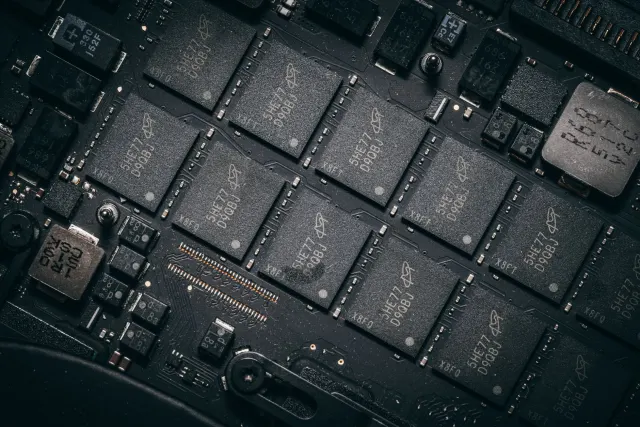
Reballed memory consists of integrated circuits that are physically removed from existing circuit boards and subsequently prepared for another installation. During this process, technicians carefully replace the original solder connections, which utilize small metal spheres beneath the chip to enable electrical communication with the board while occupying minimal physical space. Technicians clear away existing solder, prepare the contact surface, and attach a fresh set of appropriately sized replacement solder spheres. The component can then be fitted to another board, although its long-term suitability depends entirely on its past condition, handling history, and the quality of the refurbishment procedure.
At present, TrendForce reports that 4GB LPDDR4X makes up the vast majority of the reclaimed supply. Use of these parts is heavily concentrated in inexpensive 4G handsets costing under CNY 1,299, which translates to approximately $195. Consumers purchasing handsets in this bracket are exceptionally sensitive to retail pricing, giving manufacturers a strong financial incentive to recover usable parts rather than relying exclusively on newly manufactured memory components.
Economic drivers and technical risks
Using previously installed chips can successfully reduce overall component expenditure and help major brands limit retail price increases, particularly during periods when consumers have little financial flexibility for more costly devices. TrendForce expects memory price increases to accelerate further in the first quarter of 2027, adding even more pressure to manufacturers already navigating expensive production environments. That fiscal pressure could ultimately encourage companies to consider older or lower-specification parts in more costly product tiers.
Despite the financial allure, component reuse introduces distinct technical challenges. Manufacturers cannot always establish consistent quality across parts obtained from diverse suppliers and varied refurbishment channels. Repeated heating processes place physical stress on electronic packages, and damaged contacts or imperfect replacement work can degrade electrical performance once installed inside a finished smartphone. Traditional reballing relies on melting solder through repeated heating, prompting component makers to advise limiting devices to no more than three thermal cycles. While advanced laser-based methods can concentrate heat specifically around solder contacts to reduce thermal exposure, manufacturers continue to weigh immediate financial savings against potential long-term costs from hardware failures, repairs, warranty claims, and dissatisfied consumers.




Comments