
William Gibson first released his seminal novel Neuromancer in 1984, long before hackers were considered mainstream or CEOs. The book focused on Case, a young computer jockey who accesses cyberspace through a head-mounted neural jack, teaming up with a razorgirl named Molly and a former military man named Armitage to breach the offworld home of the wealthy Tessier-Ashpool family. Despite introducing groundbreaking concepts like brain-computer interfaces and all-powerful artificial intelligence years before they entered the mainstream, various Hollywood attempts to adapt the novel into a movie or television show never materialized over the subsequent decades.
That 42-year trajectory changes on January 22, when Apple TV debuts its long-awaited adaptation. Showrunners Graham Roland and JD Dillard ultimately secured the rights after competing against much larger names, winning over Gibson himself with a thoughtful pitch and a deep appreciation for the text. Musician and producer Drake also joined the production through his company DreamCrew, utilizing connections with Anonymous Content and Skydance to help assemble the creative coalition behind the series. The show stars Callum Turner as Case and Briana Middleton as Molly, with the cast diving into the gritty, physical reality of the story without letting the immense expectations of sci-fi fans paralyze them.
Key takeaways
- William Gibson published the original Neuromancer novel in 1984.
- Apple TV is releasing the new television series adaptation on January 22.
- Showrunners Graham Roland and JD Dillard spearheaded the project alongside producer Drake through DreamCrew.
- Callum Turner stars as protagonist Case alongside Briana Middleton as Molly.
Crafting a Unique Retro-Futuristic Aesthetic
Rather than chasing derivative cyberpunk tropes or trying to out-design games like Cyberpunk 2077, the creative team deliberately sought guidance from Gibson himself regarding tonal touchpoints. Gibson noted that he never actually perceived the world of Neuromancer as a dystopia, a crucial perspective that guided the production. To establish a distinct visual identity, the showrunners hired production designer Luke Hull—known for his work on Chernobyl and Andor—before any other department heads. The production leaned heavily into practical sets and in-camera aesthetics, traveling to Japan to capture the authentic textures of Chiba City rather than relying purely on digital effects.
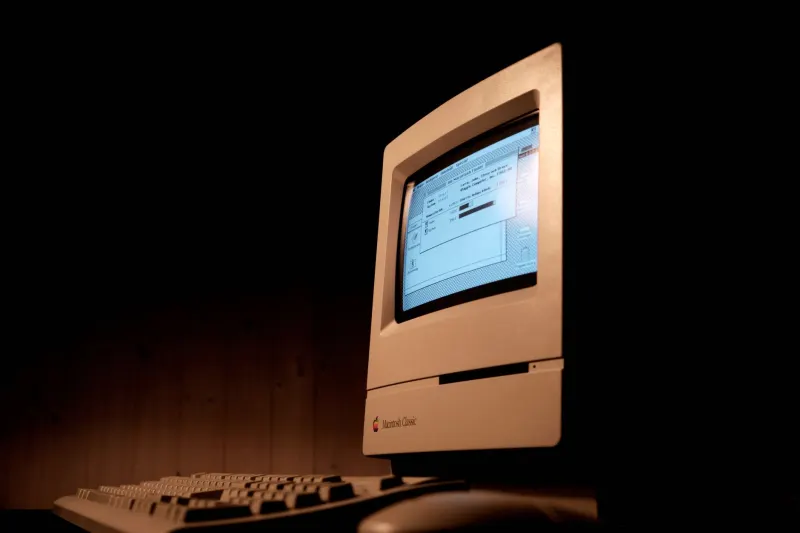
The show's design philosophy deliberately rejects sleek, modern smartphone iterations in favor of an old-school and hi-fi collision. In the opening teaser, viewers are introduced to fictional late-1960s and early-1970s technology that never existed in our timeline, immediately establishing an alternate retro-futuristic trajectory. Furthermore, the physical act of hacking was reconceptualized to emphasize tangible stakes and physical toll. Drawing on Gibson's description of Case as a neurological athlete, the series highlights the dangerous bodily expenditure required to navigate the digital matrix.
Expanding the Lore and Securing the Author's Approval
Working closely with William Gibson in Vancouver lifted a major burden off the showrunners, as the author explicitly told them he did not expect a rigid, literal translation of his book. During these early collaborative discussions, Gibson shared elements he never had time to explore fully within his original publishing deadlines, specifically pointing to a larger narrative surrounding the Tessier-Ashpool family and the powerful AI known as Wintermute. This guidance directly inspired expanded storylines crafted specifically for the television adaptation.
To capture the sonic landscape of this bespoke future, Dillard and Roland enlisted the synth-rock band Son Lux to compose the score, aiming for a distinct sonic signature that avoids traditional cyberpunk clichés. With Apple already familiar with lead actor Callum Turner from his work on Masters of the Air, casting fell into place quickly following an initial meeting in Los Angeles. As the January 22 premiere approaches, the creators remain focused on bringing viewers back to the visceral, grounded experience of reading the iconic text for the very first time.



Comments