
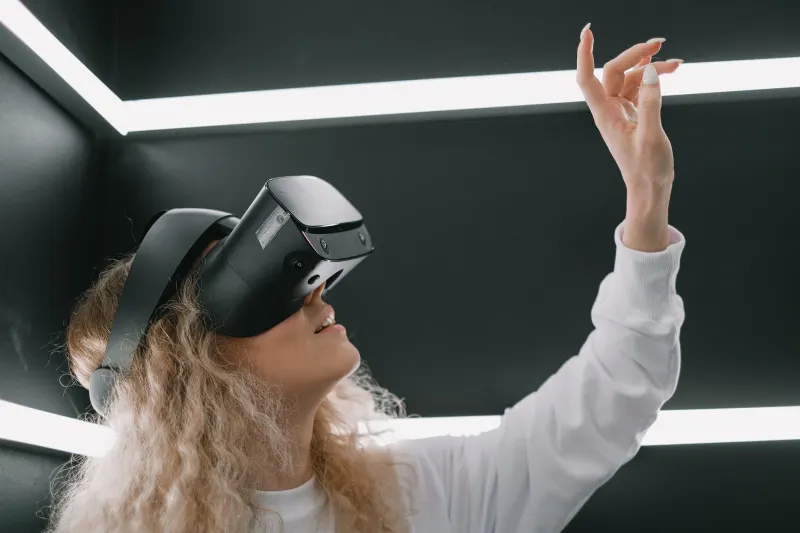
When Apple launched the Vision Pro headset in early 2024, it was the most ambitious device the tech colossus had released in recent memory. To find another device that so fundamentally wanted to change how we use tech, you would probably have to go back to the original iPhone. However, from our vantage point in 2026, it is clear the Vision Pro faced steep hurdles from the start. Despite its extraordinary capabilities, design flaws and a lack of apps at launch held it back significantly. But perhaps most damaging of all was its steep price.
For $3,500, buyers expected the Vision Pro to handle everything a MacBook could do and more. Instead, it often became a glorified and overcomplicated external monitor for many users. After an initial wave of hype, the Vision Pro faded away from mainstream conversations. The headset received a single, half-hearted M5 update in October 2025, but the writing was already on the wall. Apple reportedly started pulling staff from the project to focus on cheaper smart glasses, and analyst Ming-Chi Kuo suggested by June 2026 that Apple had dropped its headset program entirely.
Key takeaways
- Apple launched the Vision Pro in early 2024 with a starting price of $3,500.
- Sales estimates generally put the device at around or under 500,000 units sold.
- Analyst Ming-Chi Kuo suggested Apple dropped its headset program by June 2026.
- Meta previously faced similar high-end struggles when it discontinued its $1,500 Quest Pro.
Sticker shock and developer hurdles
Some analysts were astounded by the $3,500 price tag upon arrival, suggesting Apple never intended the device to become truly mainstream. While Apple can routinely charge $1,000 for an iPhone or $2,000 for an iPhone Duo using carrier subsidies and purchase plans, tripling that cost for a device requiring users to learn a three-dimensional operating system was a different challenge. The device lacked killer apps at launch, triggering a classic chicken-and-egg problem. No one wanted to develop for a platform with so few users, and few users wanted to buy into a platform with minimal native apps.
While Apple never released concrete sales data for the Vision Pro, estimates generally put the figure around or under 500,000 units. That fell far below Apple's initial expectations and failed to reach the volume necessary for such a complex device to make financial sense. Demand for a gadget costing more than a typical mortgage payment proved exceedingly low among consumers outside the wealthiest subset of Apple enthusiasts.
How Meta's VR journey compares
Other VR and XR headsets fared differently, most notably the Meta Quest 2, which became the best-selling VR headset of all time alongside its successor, the Quest 3. Meta poured over $80 billion into the metaverse starting in 2021 after renaming itself, pushing hard to dominate the space. Even so, the Quest 2 reached an estimated 20 million units sold, which pales in comparison to traditional electronics like the Sony PlayStation 4 selling over 100 million units or Apple selling roughly 226 million iPhones in 2024 alone.
Meta also experienced high-end hardware failure with the October 2022 launch of the Quest Pro at $1,500. It featured eye tracking, productivity software, and better passthrough, but it flopped immediately. Meta slashed $500 off the price six months later before ultimately discontinuing the Quest Pro in 2024, proving that expensive spatial computing hardware struggled across the board.







Comments