
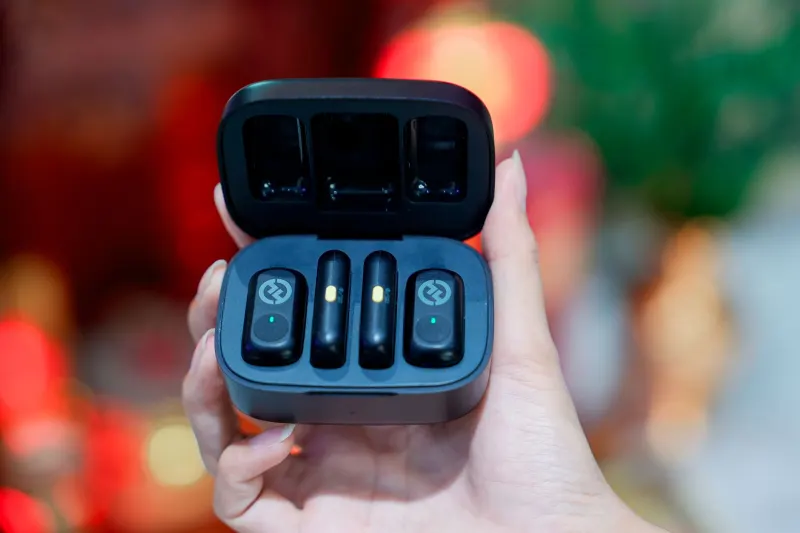
Wireless earbud design has evolved significantly over the years. Early models occasionally struggled with synchronization issues between each ear, battery life, and sweat resistance. Today, however, premium wireless earbuds can last through an entire workday, endure intense gym sessions, and even double as hearing aids like the AirPods Pro 3. Despite these advancements in features, consumers often wonder which specific design actually delivers the best sound reproduction. The industry currently supports numerous form factors, but not all of them prioritize audio fidelity, often leaning toward consumer pricing, comfort, or specific environments instead. Making the wrong choice can lead to disappointing audio performance, making it essential to understand the roles of eartips, securing mechanisms, and noise cancellation features.
Key takeaways
- In-ear earbuds provide superior passive noise cancellation and bass response compared to open-ear designs.
- Foam and silicone eartips trap frequencies in increased air pressure to boost sound quality.
- Active noise cancellation is essential for eliminating distractions like plane engines and conversation.
- Open-ear or bone conduction alternatives sacrifice bass for situational awareness during outdoor activities.
The In-Ear Advantage and Form Factor
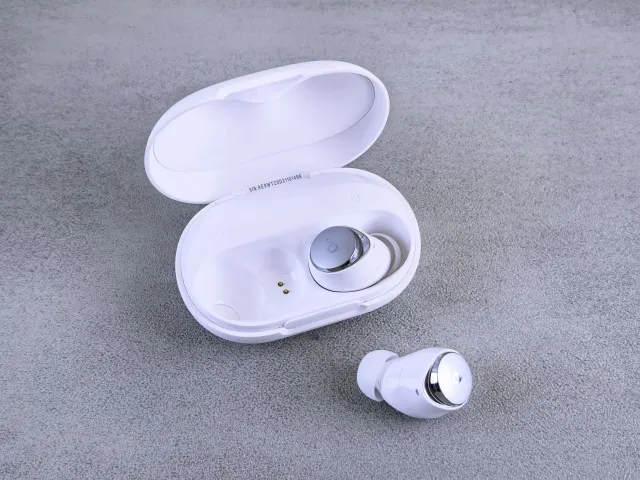
When searching for maximum audio quality, the process begins with in-ear, or in-canal, earbuds. This design provides major benefits over open-ear options, starting with passive noise cancellation that blocks most of the outside world while allowing some ambient noise to seep through. This precise positioning maximizes the perceived volume of each earbud, helping listeners catch subtle nuances in music and movies. Listeners also experience a stronger bass response because the earbuds directly vibrate the ear and the air trapped inside the ear canal.
To optimize this further, buyers should look for models utilizing foam or silicone eartips. These materials enhance both passive cancellation and bass response by trapping sound frequencies inside a space with higher air pressure. Finding a tight fit is vital, and users can sometimes upgrade to third-party tips if the manufacturer-bundled options fail to seal properly. While foam is generally preferable for pure sound quality, it is less hygienic for heavy workouts because it is harder to clean. Furthermore, earbuds must lock in securely without causing pain, as loose buds break the critical sound quality seal even with premium tips.
The Role of Noise Cancellation and Compromises
Active noise cancellation, commonly known as ANC, is another crucial factor for pristine audio output. While passive isolation merely blocks physical sound waves, ANC technology generates anti-noise frequencies to partly or completely neutralize environmental sounds. This capability is vital not only for hearing quieter elements within an audio track but also for eliminating intrusive background noises like plane engines or nearby conversations. Without proper isolation, details in the mix are easily lost to the surrounding environment.
Despite these audio advantages, some users intentionally select open-ear or bone conduction earbuds despite the significant sacrifices in bass output and noise isolation. The primary motivation for this compromise is situational awareness. Outdoor runners and cyclists often cannot afford to block ambient noises completely, as they must remain alert to traffic, horns, sirens, or verbal warnings. Although many in-ear ANC products attempt to compensate by offering transparency modes, direct exposure to the environment remains difficult to beat. Bone conduction models also function in unique environments where traditional designs fail, such as underwater. Nevertheless, unless these specific environmental needs or safety constraints are paramount, defaulting to in-ear ANC earbuds remains the superior choice for preserving overall audio fidelity.






Comments