
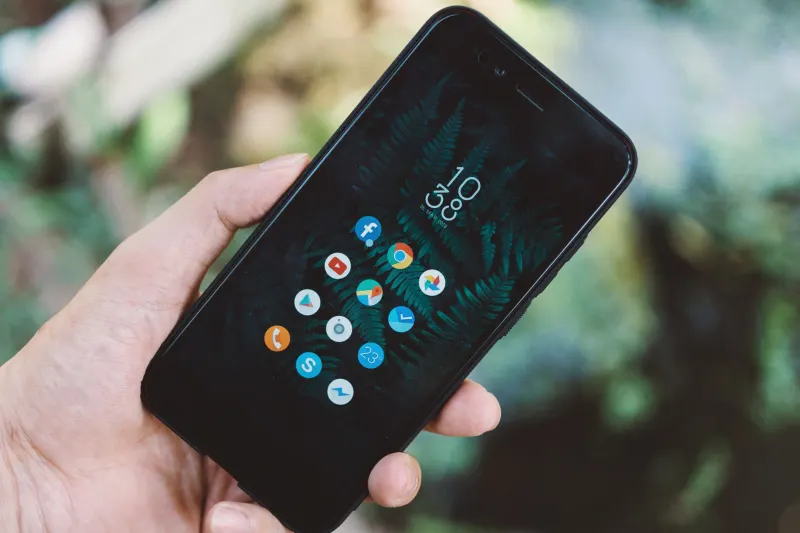
Oppo is preparing to address one of the most persistent frustrations for Android power users across its device ecosystem. Historically, many Android devices originating from Chinese manufacturers have exhibited friction when users attempt to replace the default home screen experience with a third-party launcher. However, recent reports indicate that the upcoming ColorOS 17 software update is set to change this dynamic by introducing better system-level support for alternative user interfaces.
For years, running alternative applications such as Nova Launcher or Action Launcher on customized user interfaces often resulted in broken gestures, sluggish multitasking animations, and sudden reverts back to the stock home screen. These software barriers frequently pushed enthusiasts away from using their preferred customization tools, forcing them to endure native skins they might otherwise choose to bypass. The introduction of ColorOS 17 suggests a shift toward better system-level accommodation for these popular user modifications, potentially smoothing out the operational friction that has plagued custom Android skins for generations.
Key takeaways
- Oppo is addressing third-party launcher compatibility in ColorOS 17.
- Chinese-brand Android phones traditionally struggle with third-party launcher integration.
- The upcoming update aims to fix broken behaviors associated with alternative home screens.
The Technical Hurdles of Third-Party Launchers on Custom Skins
Custom Android implementations often heavily tie their native system navigation and recent apps overview directly into the stock launcher package. When a user installs an alternative home screen, the operating system sometimes fails to hand over gesture control smoothly. This architectural limitation creates jarring transitions, unresponsive controls, and occasional software crashes. Oppo's focus on these issues in ColorOS 17 indicates an effort to streamline how the operating system interacts with external applications running at the system level.
While manufacturers prioritize a unified aesthetic and performance profile for their default software, power users heavily rely on third-party launchers for deep layout customization, icon packs, and alternative gesture controls. Resolving these longstanding limitations bridges the gap between OEM optimization and user preference. Device owners who prefer tailored interfaces have frequently voiced dissatisfaction with restricted launcher support across various regional skins, making this potential fix a notable development for the Android community.
What to Expect from the ColorOS Rollout
As Oppo moves closer to the official deployment of ColorOS 17, community testing and developer feedback will determine the true extent of these fixes. Developers of alternative home screens and everyday users alike will be monitoring the stability of gesture navigation and multitasking performance post-update. If successful, this software revision could establish a welcome precedent for how heavily skinned versions of Android handle external customization tools moving forward, offering a more flexible environment for those who prefer to customize their devices extensively.





Comments