
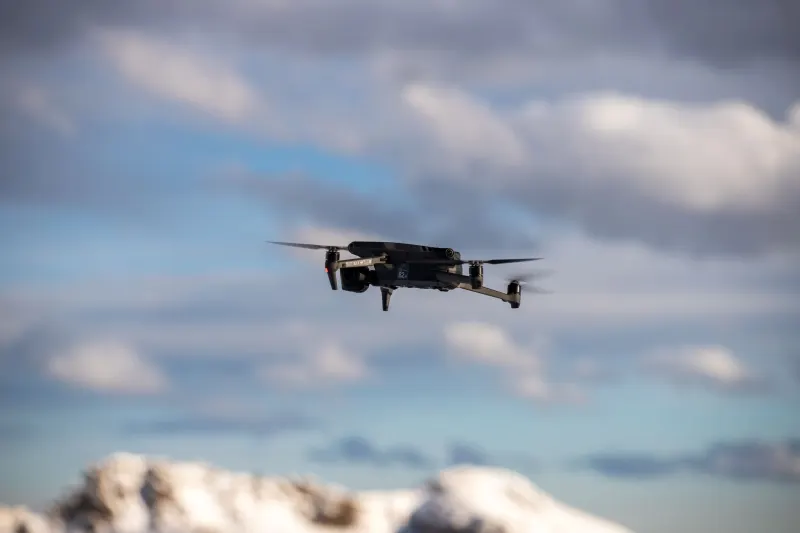
Uber Eats and Zipline have officially launched their much-anticipated commercial drone delivery service, kicking off operations in the Houston suburb of Spring, Texas. The rollout represents a major milestone in the strategic partnership between the ride-sharing giant and the drone logistics firm, which first announced their collaboration alongside an investment in August 2026. Following the initial deployment in Spring, the service is slated to expand to Dallas, with plans already underway to scale the operation to dozens of additional cities across the United States. The overarching goal for the two companies is highly ambitious: they aim to scale operations to reach one million drone deliveries per day globally by the end of 2029.
Key takeaways
- Operations begin in Spring, Texas, with Dallas and dozens of other US cities next in line.
- Zipline aircraft cruise at over 300 feet and can carry up to eight pounds within a ten-mile radius.
- Participating restaurants include national chains like Jersey Mike’s and Zaxby’s.
- Uber and Zipline have set an aggressive target of one million daily deliveries by the end of 2029.
How the delivery process works in the app
Residents living within the designated coverage area in Spring will notice a new dedicated "Drone" icon right on the home screen of the Uber app, allowing them to browse participating merchants. During the checkout process, customers must verify and confirm a clear drop-off zone located within their yard. Once the order is placed, the app provides real-time tracking of the aircraft throughout its flight. Because the entire delivery process is fully autonomous, tipping has been disabled within the platform, though users retain the ability to rate their delivery experience through the app interface.
Initial operating hours for the service are set for daily from 8 AM to 10 PM. Customers can place orders from popular national chains such as Jersey Mike’s and Zaxby’s, as well as a variety of local Houston-area establishments including Urban Bird and Abu Omar Halal. Deliveries are made possible by Zipline's specialized aircraft, which cruise at altitudes exceeding 300 feet and reach speeds of up to 70 mph before hovering high above the drop site to lower orders via tethered pods.
Aircraft capabilities and market competition
Zipline's autonomous delivery technology differentiates itself from other low-hovering systems by operating at higher altitudes and utilizing dynamic flight path calculations. The aircraft can account for local wind, altitude, and speed variables in real time, pitching their noses to accelerate or braking quietly as they approach a drop zone. Built to withstand adverse conditions, the drones can operate in rain and poor weather, hauling up to 8 pounds of cargo within a 10-mile radius of the originating restaurant.
Scaling the service to meet the target of one million deliveries daily by 2029 will require a massive leap in infrastructure, given that Zipline currently averages roughly one delivery every 20 seconds globally, translating to about 4,300 deliveries a day. Despite this steep curve, commercial delivery drones are seeing wider adoption across communities in the United States. Uber now finds itself competing directly in this evolving logistics space against rival drone delivery programs operated by Amazon Prime Air and Google-backed Wing.





Comments