
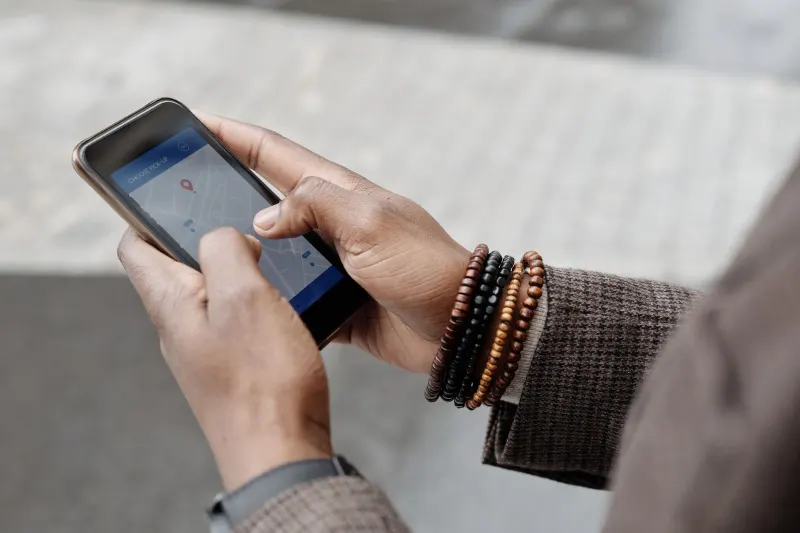
When you download an app on a smartphone, you are typically prompted to agree to a list of permissions required for it to function. Users may be asked to share device coordinates when the application is open or grant unrestricted access in the background, while website pop-ups frequently halt browsing to request location data. It can be difficult to choose between staying in the dark and trading your geographical position for services like maps, food deliveries, and device tracking.
While some applications genuinely require position data to operate, many others request it unnecessarily. Today's devices feature built-in safety mechanisms, such as Google reviewing Android apps that request background access. However, location data can still be resold to third parties, making it risky to share with apps and services you do not trust.
Key takeaways
- Location sharing helps track lost gear using Apple AirTags and Tile trackers via Bluetooth.
- Features like Uber's Share My Trip and Pixel's Personal Safety app enhance personal security.
- Unrestricted background access and third-party data reselling pose significant privacy risks.
- Users can limit exposure by using browser versions or entering delivery addresses manually.
How tracking enhances safety and convenience
Staying connected makes everyday devices and belongings much easier to locate in real time on a map. While Find My serves as an anti-theft tool for smartphones, sharing your location data with Apple AirTags and Tile trackers lets you view items in real time, and they can even play audio alerts so you never lose your car keys inside your apartment again. On a night out, people frequently share coordinates with friends to maintain a sense of safety.
Uber includes a Share My Trip feature that allows users to send their live trip status and location to a maximum of five contacts. Snapchat utilizes Snap Map to track memories and highlight activity hotspots for future hangouts. Furthermore, setting up the Personal Safety app on a Pixel phone enables it to automatically call 911 and share your position if it detects a severe car crash.
Apple and Google also provide robust controls for temporary tracking. iOS allows users to share locations for an hour, a day, indefinitely, or with custom options ranging from 15 minutes to 30 days. iOS also permits temporarily hiding your location from individuals you normally share it with. On Android devices, Google's Find My Device app allows contacts to share location data for a set duration, and users can share real-time positions in Google Maps with an estimated time of arrival when meeting someone.
Navigating unavoidable sharing and privacy risks
Certain services require location data to function properly, making some sharing unavoidable. Obtaining directions from Google Maps or Apple Maps necessitates letting the application see your location. Parents often rely on services like Google Family Link to monitor children, and a Life360 survey of 1,000 US adults in relationships found that 95 percent use some form of location-sharing technology.
Despite these use cases, continuous sharing can present dangers. Fitness-tracking apps like Strava store jogging routines, revealing patterns that could be exploited if left public. Similarly, geotagged social media posts and public Instagram Stories can draw unwanted attention from strangers. Historical incidents highlight these dangers, such as a 2022 finding by Canadian privacy regulators that a mobile app logged far more personal information than authorized, including detailed location data.
Users can protect themselves by being mindful of where data goes. Delivery apps can function adequately with manually entered addresses rather than continuous tracking, and browser-based versions can further reduce shared information. By withholding location data from services that do not genuinely need it, consumers can retain utility while minimizing privacy risks.







Comments