
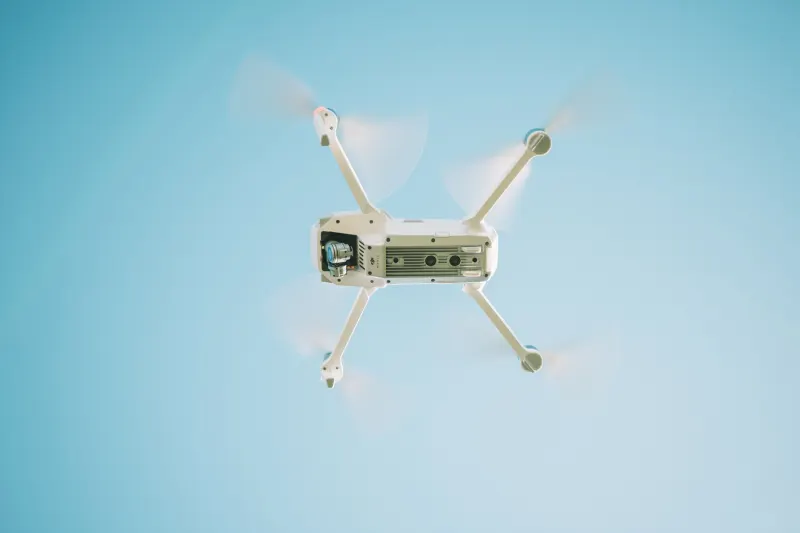
A Munich technology company called Nomadic has developed autonomous drones that attach themselves to energized power cables and collect measurements without interrupting electricity transmission. Electricity networks are facing mounting pressure as renewable energy projects, factories, and data centers demand connections faster than infrastructure expansion can accommodate. However, identifying weaknesses along existing transmission routes remains difficult because conventional monitoring systems cannot easily capture changing conditions across every section.
Each Nomad aircraft weighs approximately 4kg and can attach itself to an energized conductor, drawing operating power through electromagnetic induction. This arrangement eliminates the need for frequent battery replacements or separate charging infrastructure while allowing continuous observation of electrical transmission conditions. The aircraft can reach deployment locations within minutes, avoiding the extensive preparation and temporary shutdowns traditionally associated with installing equipment directly onto operational cables.
Key takeaways
- Nomadic's autonomous drones weigh approximately 4kg and land on live power lines.
- The aircraft draw operating power through electromagnetic induction from magnetic fields.
- Systems have operated at voltages reaching 420 kV in temperatures down to -25 degrees Celsius.
- Nomadic has secured $6 million in seed financing to expand deployments in Europe and the US.
Operational Reach and Environmental Testing
Nomadic reports accumulating more than 20,000 operating hours across electricity networks in Germany, Norway, and the United States. Its systems have operated at voltages reaching 420 kV, representing the upper range commonly encountered across European transmission infrastructure. Testing has also covered temperatures reaching -25 degrees Celsius, with the company reporting reliable operation using energy harvested directly from surrounding electromagnetic fields.
Each aircraft can monitor approximately 25 kilometers of transmission infrastructure, compared with stationary monitoring equipment generally installed at intervals between one and five kilometers. This coverage allows operators to obtain information across longer distances without deploying numerous permanently mounted monitoring devices. Andreas Moldskred, CEO and co-founder of Nomadic, noted that grid operators often have a good picture of what happens at each substation, but everything in between along kilometers of line has been much harder to see because installing anything on a live line is very difficult.
Software Integration and Future Funding
The company uses its proprietary Nomadic OS software to analyze measurements collected by its drones alongside weather conditions, grid models, and historical line data. With this information, operators can identify sections developing faults and those with limited transmission capacity. To support further growth, Nomadic has secured $6 million in seed financing led by Foundamental, alongside Verve Ventures, Cyan Ventures, existing backers Outlander VC and Asia2G Capital, and individual investors.
The company intends to increase deployments with electricity providers throughout Europe and the United States while expanding its workforce. Another priority involves introducing remote relocation capabilities for commercial customers next year. This feature will allow operators to direct drones remotely between different power line sections without physically retrieving and redeploying them. Chief Technology Officer Lauritz Weil emphasized that landing on a line carrying up to 420 kV, in wind and at minus 25 degrees, and then running on power from the magnetic field around it, presented a difficult robotics problem.







Comments