
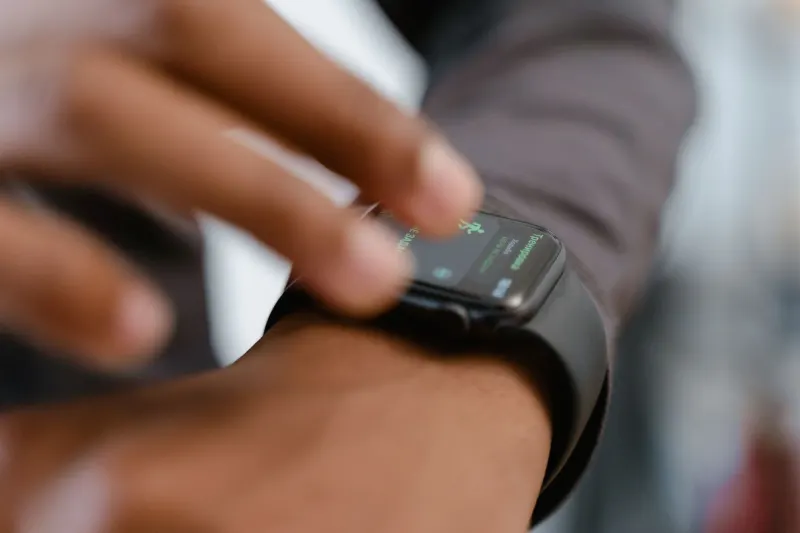
Choosing a budget-friendly wearable often requires balancing cost against capabilities, and Amazfit smartwatches present a clear study in compromises. Manufactured by Zepp Health, these devices have gained popularity as economical alternatives to established tech giants like Apple and Samsung, with budget-friendly models such as the Amazfit Bip 6 retailing for around $80. While the brand offers sleek hardware designs, extensive sports tracking, and exceptional battery life lasting up to 25 days on a single charge, users must navigate several software and ecosystem limitations before making a purchase.
Key takeaways
- Amazfit smartwatches range in price, with models like the Bip 6 available starting at $80.
- The devices offer cross-device compatibility, pairing seamlessly with both iPhone and Android smartphones.
- Users face software limitations due to the proprietary Zepp OS, which restricts third-party app access.
- The brand provides robust health tracking, integrated GPS, and AI features like Zepp Coach without subscription fees.
Advantages of choosing Amazfit wearables
One of the primary selling points of the Amazfit lineup is its diverse aesthetic range. The manufacturer offers square-shaped options that mimic the look of an Apple Watch, alongside rugged round-faced variants like the Amazfit T-Rex 3 and Amazfit Active Max tailored for outdoor adventurers. Furthermore, because these watches run on a proprietary operating system rather than being tethered to a specific mobile ecosystem, they feature cross-device compatibility and can pair smoothly with both iOS and Android handsets.
Health and fitness tracking is another strong area for the brand. Amazfit devices include over 100 sports modes ranging from strength training and running to gardening and Tai Chi. They are packed with essential sensors for monitoring heart rate, sleep quality, temperature, and GPS data. Users also benefit from AI-powered software tools like Zepp Coach, Bluetooth calling capabilities, and Alexa command support, all without requiring any mandatory subscription tier for accessing tracked health metrics.
Drawbacks and software limitations
Despite their strong hardware appeal, Amazfit smartwatches come with notable concessions. Operating on the proprietary Zepp OS means users cannot access extensive third-party application libraries in the manner permitted by Wear OS or watchOS. Instead, owners are restricted to a select few productivity apps and games found within the Zepp Store. While the watches integrate with external fitness platforms like Strava, TrainingPeaks, Komoot, and Runna, popular applications such as Google Wallet, Google Maps, Gmail, and banking tools are absent. There is also no native Spotify application, though users can control music playback on their phones or use a remote app to mirror Spotify.
Navigation and terminology can also feel unfamiliar to newcomers. The interface introduces proprietary metrics such as PAI, which serves as the personal activity score, and Biocharge, functioning as a readiness score similar to metrics seen on other fitness ecosystems. Hardware specs also vary, with certain models offering restricted storage capacity; for instance, the Amazfit Bip 6 is equipped with 512MB of storage. Additionally, Zepp Health provides three years of software and security support for its smartwatches, a factor worth considering for consumers who intend to keep their devices for the long term.







Comments