
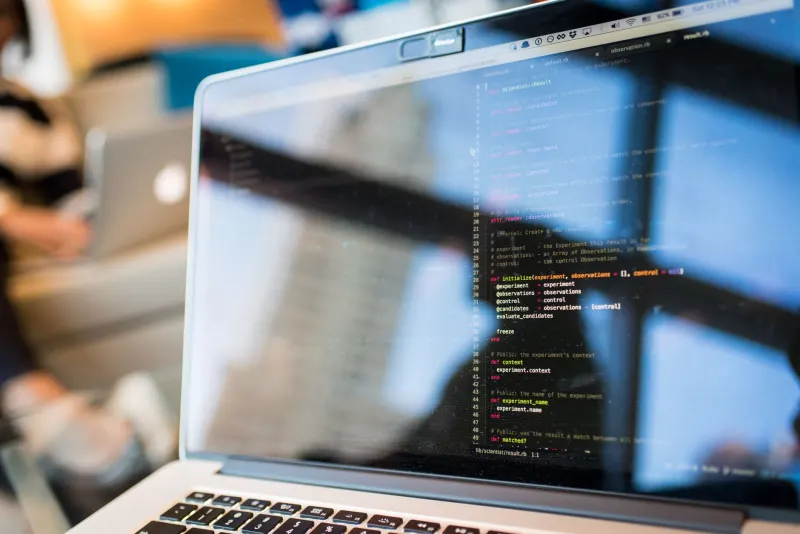
Software engineering is undergoing a profound transformation as artificial intelligence tools take over the bulk of everyday coding tasks. In the wake of advanced AI command-line tools and large language models, technology companies including Anthropic and Coinbase now report that more than 90 percent of their code is written with AI assistance. While the historical evolution of programming has always moved toward higher levels of abstraction—progressing from raw bytes and assembly language to high-level languages like Python and TypeScript—the arrival of autonomous coding agents has fundamentally shifted human developers from direct creators into machine operators.
This shift marks a departure from traditional software craftsmanship. Previously, mastering niche languages like Haskell, contributing patches to compilers, or writing custom toy languages offered developers a deep sense of intellectual challenge and cognitive flow. Today, relying on automated tools to generate solutions has rendered manual hand-coding increasingly obsolete. Rather than laboring over individual lines of code or debugging gnarly logic, modern developers act primarily as prompters and supervisors, managing automated agent platoons to build applications.
Key takeaways
- More than 90 percent of code at major firms like Anthropic and Coinbase is now written using artificial intelligence.
- Advanced coding agents have shifted human roles from direct programmers to system operators.
- The traditional flow state once achieved by rigorous debugging has been replaced by effortless automated generation.
The transition from craft to operator
For many practitioners who entered the industry through unconventional paths, programming was once a reliable way to enter an elusive state of flow where a person is simultaneously forgetful and alert. Tackling complex bugs required engaging every individual neuron. However, with the rapid maturation of AI coding tools, the work has become suspiciously effortless, evoking what cultural anthropologist Natasha Dow Schüll described as the machine zone of a Las Vegas gambler rather than traditional craftsmanship.
While some industry observers compare the rise of AI coding agents to the invention of the table saw for carpenters, critics argue that the analogy falls short. Carpenters using power tools remain active craftspeople, whereas software developers cede control over the final unit of manipulation entirely to algorithms. Consequently, future generations may no longer see legendary individual programmers emerge in the mold of historical figures like Brian W. Kernighan, who cowrote the definitive text on the C programming language.
Implications for the future of software
Despite these profound changes to the profession, the shift does not necessarily signal a decline in engineering quality. The overarching story of programming has always been a journey of building tools to domesticate complexity, moving from assembly code upward. Handing off tedious execution tasks to neural networks allows developers to bypass tasks that are constitutionally unfit for the human brain.
Even so, depending entirely on automated systems to write sentences and code carries distinct risks. Just as a reliance on AI can blunt a writer's finer senses like a neurodegenerative disease, depending on coding tools can cause a swift decline in personal coding ability. To keep calling those in this profession programmers is increasingly inaccurate, since the entity doing the actual programming is a platoon of AI agents, leaving humans at desks prompting instructions.





Comments