
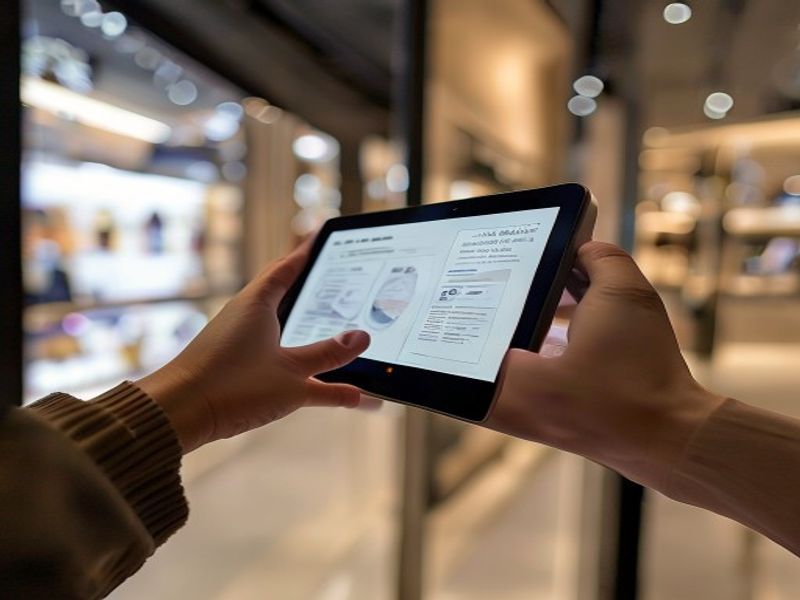
The modern retail landscape is undergoing a significant transformation, moving beyond mere transactions to foster deeper consumer engagement through intelligent product information. This shift sees technology delivering richer, more accessible data directly into shoppers' hands, fundamentally reshaping how we discover and evaluate goods.
For decades, shoppers largely relied on packaging, sparse in-store signage, or a salesperson's knowledge to make purchasing decisions. The internet, while offering a wealth of reviews and specifications, often created a disconnect between the online research phase and the in-store experience. This fragmented journey highlighted a growing need for cohesive, readily available product intelligence that could bridge the digital and physical realms.
Today's retailers are leveraging an array of innovations to meet this demand. From QR codes and NFC tags that instantly pull up detailed specifications, user manuals, and ethical sourcing data, to augmented reality (AR) apps that allow virtual try-ons or placement, the methods are diverse. Artificial intelligence algorithms now power personalized recommendations and dynamically generate contextual information, while advanced e-commerce platforms integrate 360-degree views, video demonstrations, and interactive comparison tools. Even physical stores are deploying smart shelves and interactive displays, turning browsing into an informed, immersive activity.
This technological evolution offers substantial benefits for both consumers and businesses. Shoppers gain unprecedented transparency and the ability to make more informed decisions, leading to higher satisfaction and trust. For retailers, providing comprehensive, easily digestible product data translates into increased engagement, stronger brand loyalty, and potentially fewer returns as consumers purchase with greater certainty. It also allows for more targeted marketing and better inventory management by understanding what information resonates most with their audience.
Looking ahead, the integration of retail technology will only deepen. Expect more sophisticated IoT deployments in stores, real-time feedback loops from smart products, and hyper-personalized experiences driven by predictive analytics. The goal is to create a truly seamless omnichannel journey where product information is not just available, but anticipatory and tailored to individual needs, whether a customer is browsing at home or standing in an aisle.
Ultimately, the "evolution of retail technology" is less about the gadgets themselves and more about empowering consumers. By connecting them to valuable, intelligent product information, retailers are not just selling products; they are building relationships founded on knowledge and transparency, setting a new standard for the shopping experience in the digital age.





Comments