
Traditional Hollywood production lots now share zip codes with aggressive machine learning laboratories as Culver City evolves into an unexpected hub for AI-driven cinema. Long known for historical studio backlots and prestige television production, this Southern California municipality is rapidly shifting toward neural networks and synthetic media generation. Tech startups and established post-production houses are setting up operations side-by-side, creating a dense cluster of technical talent focused entirely on reshaping how visual effects and digital doubles are created.
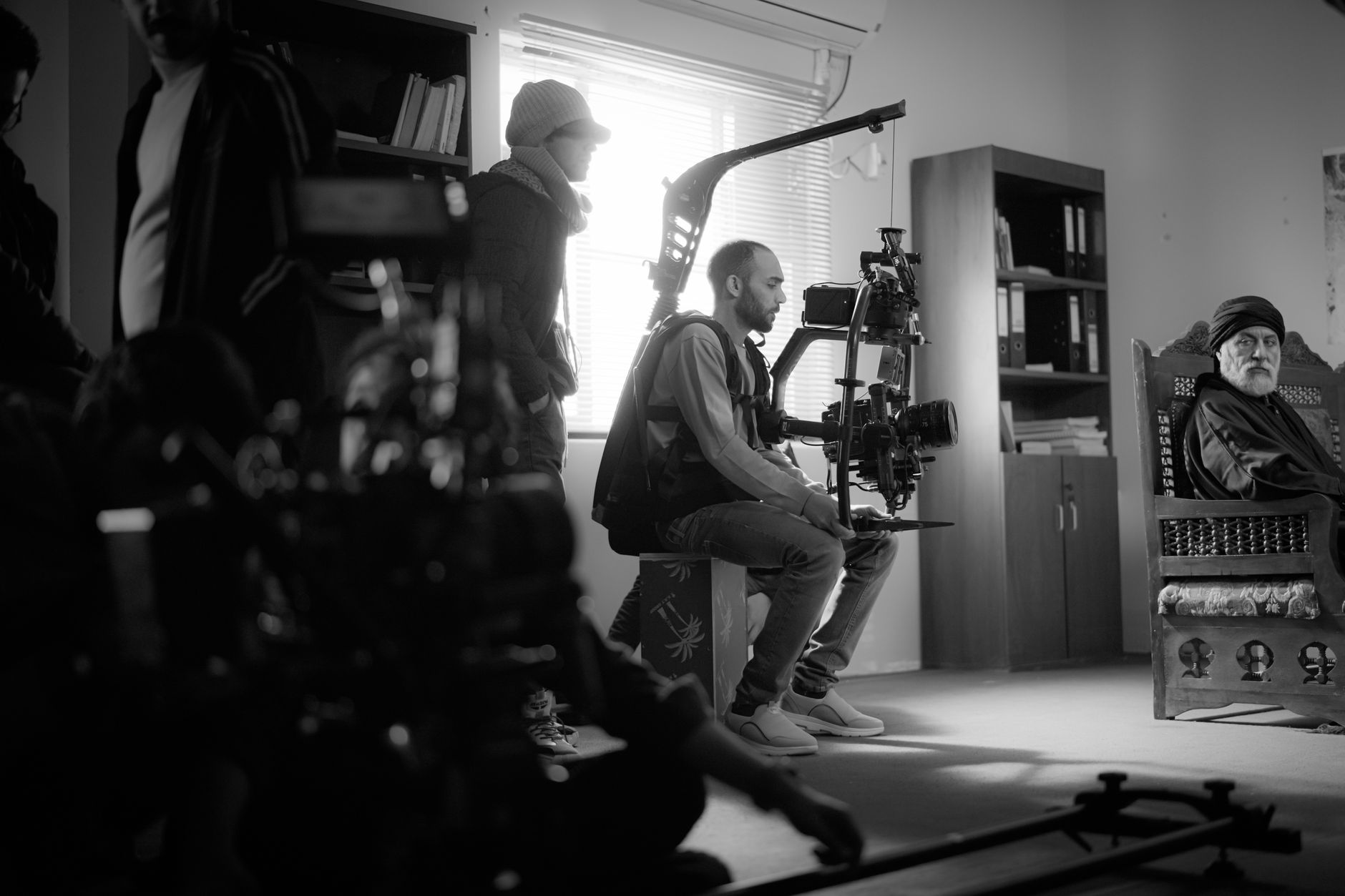
The convergence happening here stems from a unique mix of legacy entertainment infrastructure and proximity to elite academic institutions. Unlike Silicon Valley, which historically approached media through pure software engineering, Culver City maintains direct channels to directors, cinematographers, and union representatives. Engineers working on generative video models are collaborating daily with on-set artists to test tools in real-world production pipelines rather than isolated test environments.
Industry observers note that this localized concentration of AI development could fundamentally shorten post-production timelines and slash budgets for independent features. However, the rapid adoption of synthetic media tools also brings immediate labor concerns regarding copyright law and actor likeness protection. As studio executives weigh the economic benefits of automated rendering against union mandates, Culver City stands as the primary testing ground for the future of commercial filmmaking.
Looking ahead, the city council and local real estate developers are adapting zoning laws to accommodate heavy-duty server clusters and specialized motion-capture stages required by AI developers. Whether this coastal hub manages to balance creative integrity with automated efficiency will likely dictate industry standards across global entertainment markets for the next decade.
Culver City Transforms Quietly Into Hollywoods AI Film Hub




Comments