
If manufacturing is the muscle of the global economy, the supply chain is its cardiovascular system. For decades, this system operated on a linear, highly fragile model built on cheap fuel, predictable geopolitics, and "just-in-time" inventory. Recent global disruptions have violently exposed the vulnerabilities of this analog approach.
In response, the logistics sector is undergoing a massive technological overhaul. The goal is to transform the supply chain from a blind, rigid chain of sequential steps into a dynamic, highly visible, and autonomous network capable of routing around disruptions in real-time.
Warehouse Automation and Robotics
The modern fulfillment center bears little resemblance to the warehouses of the 1990s. The sheer volume of e-commerce demands a level of speed and accuracy that human labor alone cannot sustain.
- Automated Storage and Retrieval Systems (AS/RS): Instead of humans walking miles of aisles to find a product, the warehouse floor is a dense grid of inventory. High-speed shuttles and robotic cranes retrieve specific bins from vertical storage racks and deliver them directly to a human or robotic packing station.
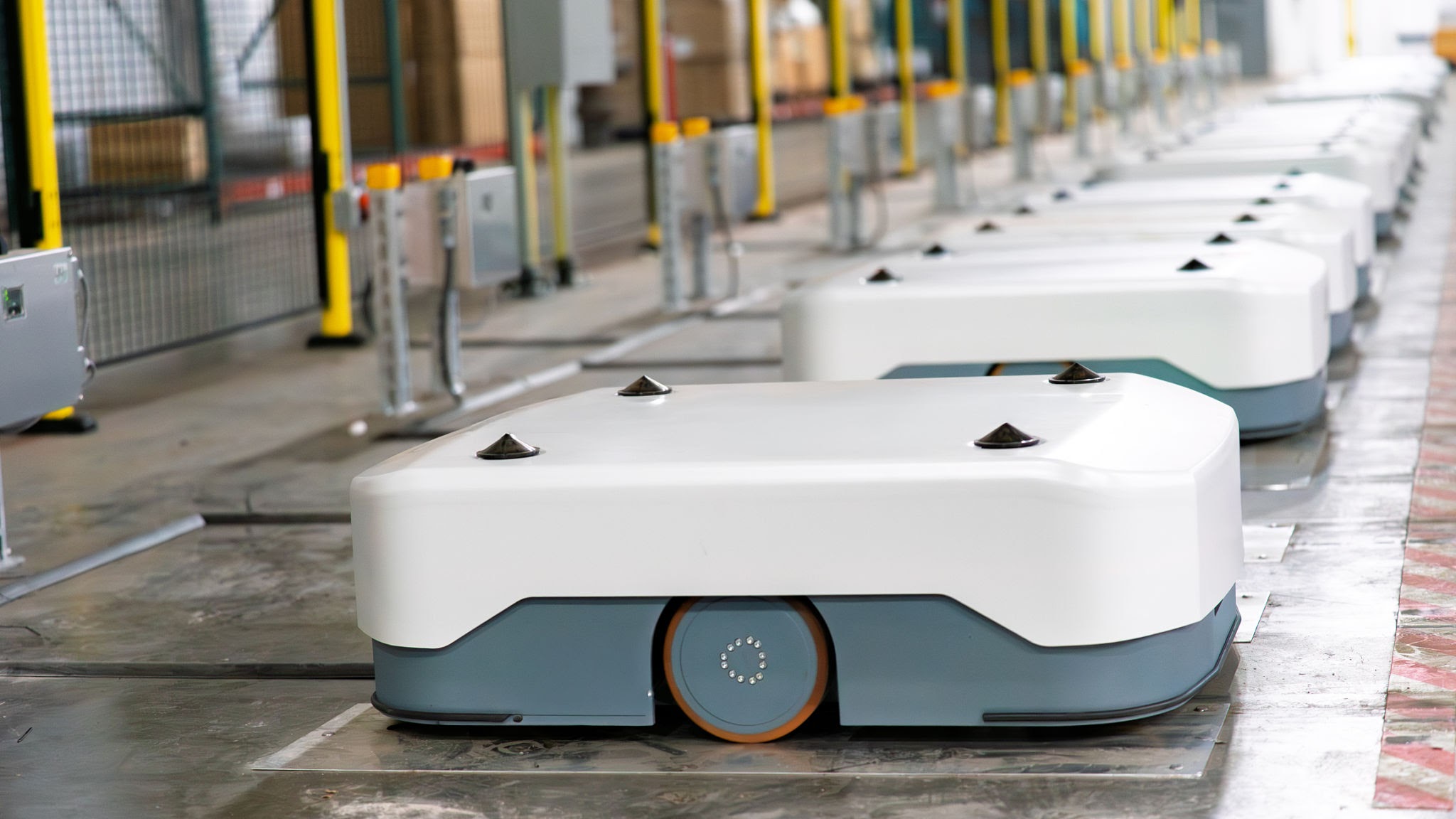
- Autonomous Mobile Robots (AMRs): Fleets of low-profile robots navigate the warehouse floor dynamically. Unlike older automated guided vehicles that required physical tracks or magnetic strips, AMRs use LiDAR and spatial mapping to navigate freely, avoiding obstacles and coordinating with hundreds of other robots to transport pallets and shelves across the facility efficiently.
- AI-Driven Packing: Algorithms calculate the exact dimensions of a customer's order and dictate the optimally sized box, instructing an automated system to cut and fold custom packaging on demand. This minimizes wasted cardboard and maximizes the number of packages that can fit into a single delivery truck.
Predictive Analytics and Demand Forecasting
Historically, supply chains ordered inventory based on historical sales data. Today, relying on the past to predict the future is a recipe for empty shelves or massive overstock.
- Beyond Historical Data: Advanced AI supply chain platforms ingest massive, unstructured datasets. They analyze current weather patterns, global shipping lane congestion, social media sentiment, and even local event schedules to predict demand spikes before they happen.
- Dynamic Inventory Allocation: If a predictive model identifies an incoming blizzard in the Northeast, the supply chain algorithm will automatically reroute shipments of snow shovels and ice melt from southern distribution centers to northern ones days before the storm hits, ensuring stock is exactly where the localized demand will be.
Blockchain for Traceability and Transparency
One of the greatest challenges in global logistics is establishing trust and provenance across dozens of international borders and third-party handlers.
- Immutable Provenance: Blockchain provides a shared, unalterable digital ledger. A pharmaceutical company can track a batch of vaccines from the factory floor, through the refrigerated shipping container, to the local pharmacy. Every temperature fluctuation and handoff is recorded on the blockchain, guaranteeing the integrity of the product and making counterfeit infiltration nearly impossible.
- Smart Contracts in Freight: International shipping involves massive administrative friction (customs clearances, bills of lading). Smart contracts automate this. Once an IoT sensor on a shipping container verifies it has arrived at the Port of Los Angeles and the internal temperature remained stable, the smart contract automatically releases payment to the freight carrier, bypassing days of manual invoicing and bank approvals.
Autonomous Freight and Fleet Management
Moving goods across long distances is currently bottlenecked by a global shortage of commercial drivers and the physical limitations of human endurance.
- Highway Autonomy: Autonomous trucking is advancing rapidly. Because highway driving is significantly more predictable than urban navigation, self-driving big rigs are already being tested on major freight corridors. These trucks can operate 24/7, limited only by fuel capacity, drastically reducing cross-country transit times.
- Platooning: In the near term, technology enables "platooning." A human-driven lead truck is digitally tethered to several autonomous trucks following closely behind. When the lead driver brakes, the following trucks brake simultaneously in milliseconds, reducing aerodynamic drag and saving massive amounts of fuel.
The Last-Mile Challenge
The "last mile"—the final leg of delivery from the local distribution center to the customer's front door—is notoriously the most expensive and complex part of the supply chain.
- Algorithmic Routing: Delivery drivers rely on AI routing software that goes far beyond standard GPS. These algorithms calculate the optimal route for 150 stops by factoring in real-time traffic, the physical size of the packages, the side of the street the destination is on (to avoid left turns), and the promised delivery windows.
- Drones and Rovers: For lightweight packages, companies are deploying autonomous solutions. Aerial drones bypass ground traffic entirely to deliver medical supplies or small consumer goods in minutes. In urban environments, sidewalk-navigating delivery rovers roll at a walking pace to deliver groceries directly to apartment lobbies.
The Outlook
The integration of these technologies is creating a "control tower" visibility over the entire lifecycle of a product. The supply chain of the future will not just react to the world; it will anticipate it, ensuring that goods move seamlessly across the globe with minimal friction and maximum efficiency.





Comments