
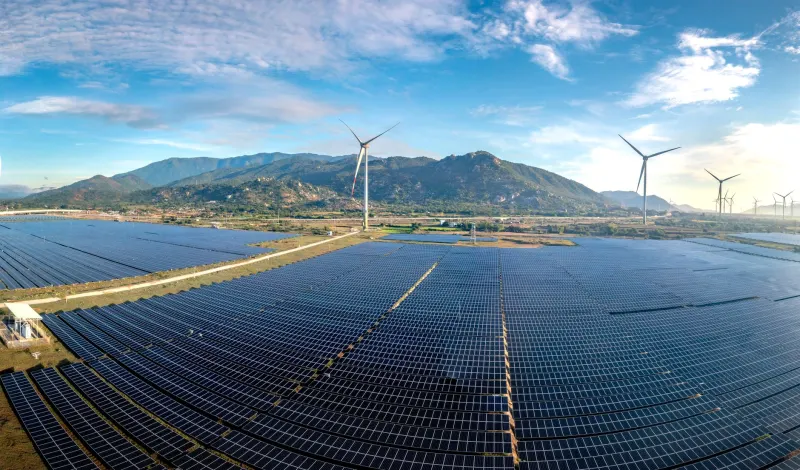
A team of Australian researchers has successfully engineered a hydrogen production process that slashes electricity demands by roughly thirty percent compared to conventional electrolysis. The breakthrough addresses one of the most stubborn economic hurdles in the clean energy sector: the immense power required to split water molecules into green hydrogen and oxygen.
Traditional water electrolysis typically demands vast amounts of electrical input, driving up operational costs and straining local power grids. By rethinking the catalyst materials and optimizing the electrochemical interface, the developers managed to drop energy overhead significantly without sacrificing output volume. Pilot trials indicate the system maintains high stability even under fluctuating power inputs, making it an ideal match for variable renewable sources like solar and wind farms.
Commercial scaling is already underway, with the engineering firm partnering with heavy industry manufacturers to test the system in real-world factory settings. If the technology performs as promised during these large-scale deployments, it could accelerate the commercial viability of green hydrogen for steel production, maritime shipping, and long-duration energy storage.
Market analysts suggest that lowering the operational expense of hydrogen generation will shift the economics of heavy decarbonization globally. As governments push for aggressive net-zero timelines, innovations that squeeze more efficiency out of existing renewable capacity will likely attract heavy venture backing and rapid regulatory approval.




Comments