
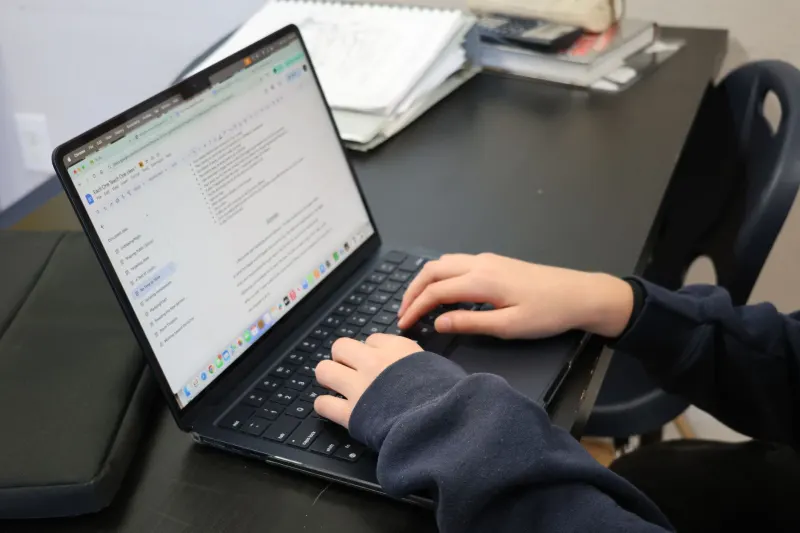
A striking new study has highlighted a complex and reluctant relationship between Generation Z and artificial intelligence, drawing conceptual parallels to historical smoking habits due to widespread adoption, recognized harms, and a collective inability to quit. Research conducted by Fizz reveals that 96 percent of college students now utilize artificial intelligence tools in their academic and personal routines. However, despite this near-universal integration into higher education and daily life, 56 percent of the surveyed students stated they would permanently ban the technology tomorrow if given the chance.
The data points to a deep psychological and practical reliance that makes walking away difficult for modern learners. Among students who use artificial intelligence multiple times a day, 68 percent believe their schoolwork would become significantly harder without it. This sentiment scales downward with frequency, dropping to 59 percent for daily users, 42 percent for weekly users, 22 percent for monthly users, and just 9 percent for those engaging with the technology less than once a month.
Key takeaways
- 96 percent of college students currently use artificial intelligence.
- 56 percent of students surveyed would permanently ban AI if they could.
- 68 percent of heavy, multiple-times-a-day users feel schoolwork would be harder without AI.
- 35 percent of students cite environmental damage as their top worry regarding AI.
Beyond academics and into personal lives
The research demonstrates that artificial intelligence is increasingly supplanting interpersonal communication among young adults. A staggering 86 percent of daily AI users confess to using the technology for matters they previously would have discussed with another human being. This includes 51 percent seeking career or life advice, 48 percent addressing personal problems, and 45 percent relying on AI to decide how to reply to a message.
Furthermore, 43 percent of heavy users agree that preparing for their future careers would be more difficult without these digital tools. Two in five students even worry their daily lives would be more difficult without artificial intelligence. This reliance exists even as 27 percent of students acknowledge that traditional communication and people skills remain in high demand, implying that their heavy reliance on digital assistants could actually be harming those vital interpersonal traits.
External pressures and underlying anxieties
External pressures appear to be driving this heavy adoption cycle, with nearly half of heavy AI users feeling pushed to use the technology out of fear that they will fall behind in the competitive employment market. Compounding this dynamic, 64 percent of all surveyed students reported feeling at least some pressure from teachers or educational institutions to integrate artificial intelligence into their studies.
Students also harbor significant anxieties about the broader consequences of their usage, placing environmental damage at the top of their concerns at 35 percent. Meanwhile, worries about cognitive decline and personal dependence came in second place at 28 percent. Fizz concluded its report by noting that students reach for artificial intelligence when they feel anxious or alone, observing that Silicon Valley believes it handed Generation Z a superpower, whereas Generation Z would hand it back tomorrow as long as everyone else did too.



Comments