
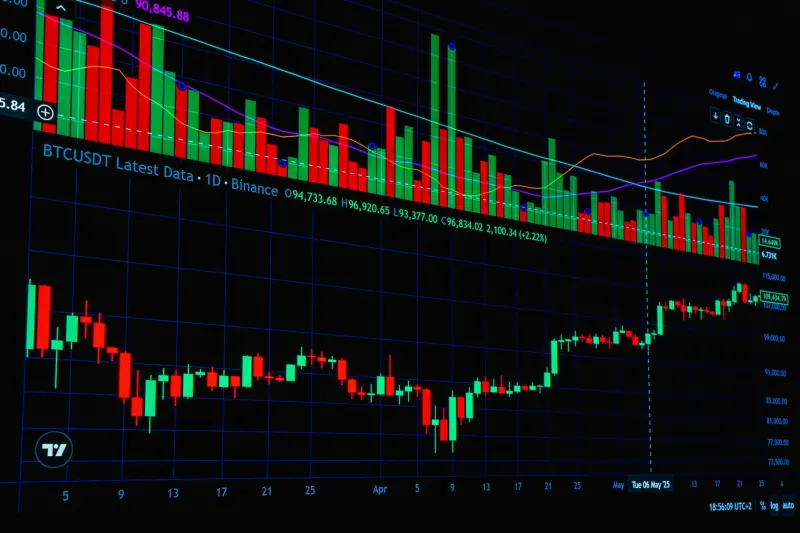
A recent sudden rout across United States technology stocks has triggered widespread financial anxiety, prompting analysts and investors to question whether the immense valuation boom driven by artificial intelligence is finally losing steam. Market observers are closely monitoring equity shifts as major tech shares experience severe downward pressure across Wall Street trading floors. The abrupt market correction highlights a growing sensitivity among institutional investors to the massive capital expenditures poured into generative artificial intelligence infrastructure without immediate, guaranteed financial returns at scale.
The current market environment reflects a delicate turning point for the modern global economy, where massive tech conglomerates command unprecedented influence over major stock indexes. As investors examine corporate spending reports and earnings forecasts, any perceived mismatch between astronomical infrastructure investments and actual quarterly revenue generation triggers immediate defensive trading behavior. This volatile dynamic underscores how deeply intertwined contemporary equity performance has become with the speculative trajectory of next-generation computational technologies.
Key takeaways
- US technology stocks recently faced a sharp market rout.
- Financial analysts are debating the long-term sustainability of the AI boom.
- Market participants are actively questioning whether an AI market bubble is bursting.
Market reactions and economic pressures driving equity shifts
The sudden drop in technology share prices reflects a broader, urgent reassessment of financial risk among institutional investors and portfolio managers. Wall Street trading floors witnessed significant volatility as equity portfolios heavily weighted in prominent tech giants faced steep market corrections. Market strategists point out that towering expectations surrounding artificial intelligence technology had previously pushed valuations to extreme heights, leaving very little room for operational missteps, execution delays, or extended monetization timelines.
While enterprise adoption of machine learning tools and computational systems continues to expand rapidly across various industries, global financial markets are demanding much clearer pathways to profitability. The sheer scale of massive data center buildouts, specialized silicon hardware purchases, and ongoing research expenditures requires robust, verifiable revenue generation to justify current market capitalizations. When those financial returns face intense scrutiny from analysts, immediate downward corrections across major equity indexes tend to follow swiftly.
Broader implications for the global technology ecosystem
This market turbulence serves as a critical financial stress test for the entire technology ecosystem, reaching far beyond Wall Street trading desks and corporate boardrooms. Venture capital firms, enterprise software developers, and specialized hardware manufacturers must now navigate a significantly more cautious financial climate where capital is no longer cheap or boundless. Companies relying heavily on continued high-flying valuations to fund aggressive mergers, corporate acquisitions, and rapid hiring strategies are now forced to reevaluate their near-term fiscal models and cash burn rates.
At the same time, established industry leaders find themselves under immense pressure to demonstrate tangible operational efficiency gains stemming from both their internal and customer-facing artificial intelligence deployments. The current market correction effectively forces a necessary pivot away from pure speculative hype and inflated growth metrics toward sustainable business models, disciplined spending, and concrete revenue streams that can withstand rigorous financial examination. Observers across the financial sector will continue watching equity flows closely to determine if this correction represents a temporary market digestion phase or the definitive deflation of an overheated asset cycle.






Comments