
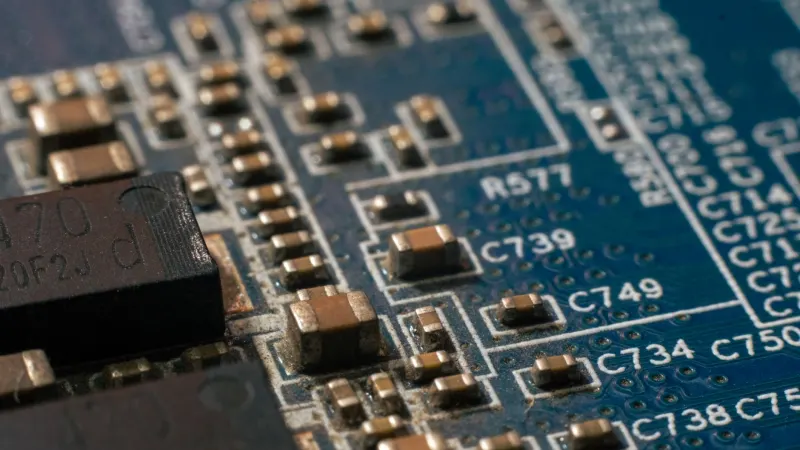
Market sentiment around semiconductor equities frequently fluctuates, and Micron Technology has recently found itself under the microscope of cautious investors. While bearish perspectives often focus on near-term cyclical headwinds in the memory market, financial analysis from platforms like Trefis suggests there may be critical factors being discounted. Understanding the underlying drivers of Micron stock requires examining both the immediate pressures facing memory manufacturers and the broader macroeconomic factors shaping demand for dynamic random-access memory and flash storage. Financial analysts constantly debate the valuation of major chipmakers as industry conditions shift between periods of high demand and sudden oversupply, making a thorough assessment essential for anyone following the sector.
Key takeaways
- Micron Technology stock is currently facing scrutiny from bearish market analysts.
- Financial analysis from Trefis raises questions about what skeptics might be missing.
- Semiconductor market cycles heavily influence investor sentiment toward memory chip makers.
Evaluating the Bear Case for Micron
Skeptics pointing to cyclical downturns in the semiconductor space typically argue that softening demand in consumer electronics and personal computers will weigh heavily on enterprise margins. Memory chip pricing is notoriously volatile, driven by supply and demand imbalances that can quickly erode profitability for major manufacturers. Bears often emphasize these historical patterns to justify a cautious stance on Micron Technology shares. Traditional market analysis relies heavily on past downturns to predict future contractions in revenue and operating income across the entire hardware manufacturing sector.
However, focusing exclusively on historical downswings can obscure structural shifts in the broader technology sector. High-performance computing, data center expansion, and artificial intelligence workloads demand massive amounts of advanced memory bandwidth. These modern applications require specialized high-bandwidth memory products that command premium pricing compared to legacy consumer chips. This technological evolution alters the fundamental equation for traditional memory producers, challenging standard forecasting models that treat all memory chips as purely commoditized goods subject to identical pricing pressures.
Broader Industry Implications and Future Outlook
The divergence between traditional consumer demand and specialized enterprise requirements creates a complex operational environment for memory producers. As cloud service providers and enterprise tech giants continue investing heavily in infrastructure, the revenue mix for companies like Micron is evolving away from purely commoditized hardware. Market watchers monitoring the stock must weigh traditional cyclical risks against the growth trajectory of next-generation hardware deployments and specialized memory solutions that serve modern computing needs.
Ultimately, determining the blind spots of stock bears involves continuous evaluation of pricing trends, inventory adjustments, and production capacity across the industry. As memory manufacturers navigate shifting capital expenditures and technological upgrades, stakeholder focus remains fixed on how effectively these firms can capitalize on high-margin enterprise segments while managing legacy cyclical exposure. The ongoing debate highlights the difficulty of applying historical valuation models to a rapidly changing technological landscape where emerging workloads redefine hardware utility and profit margins for major semiconductor corporations.





Comments