
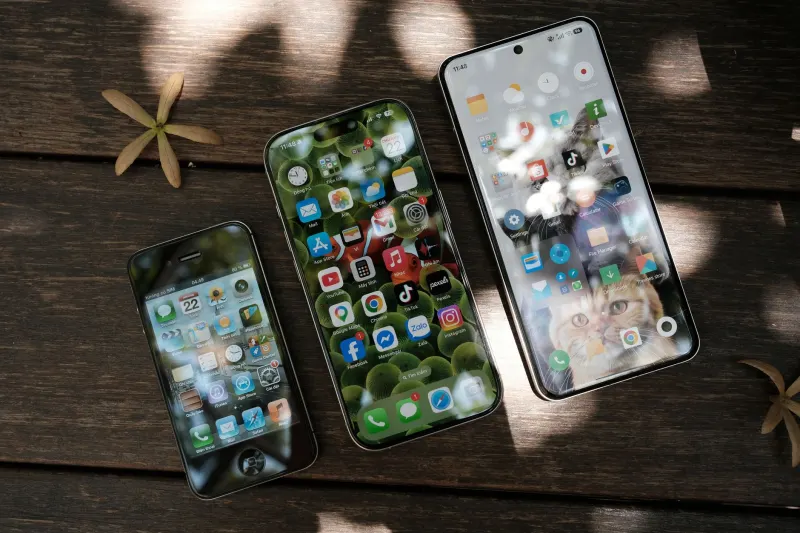
Xiaomi has officially begun rolling out its latest software update, HyperOS 4, to users in China. While the new update brings notable visual and performance upgrades to modern hardware, it also highlights the harsh reality of software lifecycles, leaving several older smartphone models behind as they reach the end of their official support windows. The software update initially started rolling out to the company's newest devices and tablets on October 15, 2026. However, owners of popular legacy models like the Xiaomi 12T and Redmi Note 12 will not receive the upgrade because they are either at or past their end-of-support dates.
According to Xiaomi's official rollout schedule, the first batch of HyperOS 4 updates covers the Xiaomi 17 series, Redmi K100 and K90 series, and the Xiaomi Pad 8. Additional models are scheduled to follow in waves through January 2027. Devices that hit their end of support in 2026, including the Xiaomi 12 and 12T lines, are entirely absent from the schedule. Firmware trackers have also noted that a handful of budget-friendly models still within their active support windows have not yet appeared in any HyperOS 4 test builds, though Xiaomi has not officially confirmed their exclusion.
Key takeaways
- HyperOS 4 began rolling out in China on October 15, 2026.
- Older devices like the Xiaomi 12T and Redmi Note 12 are missing the update due to reaching end-of-support.
- The new Soft Light Glass interface requires powerful chips like the Snapdragon 8 Elite or Dimensity 9500 for full effects.
- Xiaomi promises four OS updates and six years of security patches for the newer Xiaomi 15.
The centerpiece of the HyperOS 4 software package is Xiaomi's new Soft Light Glass design language. This translucent interface material dynamically adjusts its transparency based on the underlying colors and content on the screen. Additionally, the lock screen clock gains expanded customization options, allowing users to resize, move, and restyle elements. However, Xiaomi notes that the full visual effect is restricted to newer devices powered by processors such as the Snapdragon 8 Elite, Dimensity 9500, or Xiaomi's own XRING O1 chip, while older compatible phones receive a simplified version.
Under the hood, Xiaomi claims substantial performance improvements with HyperOS 4. The company states that the software leaves 27.2 percent more memory free after eight hours of continuous use and launches apps 17.5 percent faster following long sessions. The updated voice assistant, Super XiaoAI 2.0, is powered by Xiaomi's MiMo AI model and introduces an Expert Mode capable of executing multi-step tasks across multiple applications. Despite these enhancements, the majority of advanced AI capabilities remain exclusive to the Chinese market for the time being.
While Xiaomi has extended its support commitments for newer flagships—providing four Android OS updates and six years of security patches for devices like the Xiaomi 15—it still trails the seven-year support windows offered by competitors like Samsung and Google. Meanwhile, global users will have to wait, as Xiaomi has not yet confirmed an official release timeline for international markets or regions like India, and Poco devices are currently absent from the domestic firmware rollout schedule entirely.




Comments