
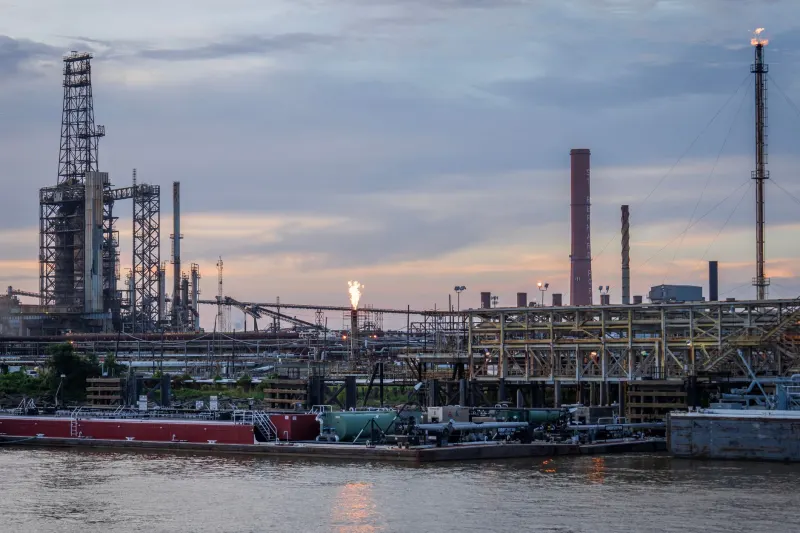
SoftBank has taken a massive financial hit following a high-stakes gamble on the natural gas supply chain required to fuel the rapid expansion of artificial intelligence. The Japanese investment giant announced a $7.1 billion quarterly loss, with more than half of that staggering sum resulting directly from power-generating equipment. Through its SB Energy subsidiary, the firm had paid nonrefundable deposits to turbine manufacturers to secure massive equipment orders, hoping to corner a vital portion of the energy market.
The procurement strategy involved ordering more than 13 gigawatts of turbines starting about two years ago, which represented roughly 50 percent more equipment than the company actually needed. Peter Gardett, CEO of Noreva, noted that SB Energy faced a tight market where order queues already extend into the early 2030s. By placing supersized orders, SoftBank attempted to bypass long wait times and secure equipment immediately, though the aggressive strategy ultimately backfired as market dynamics shifted.
Key takeaways
- SoftBank reported a quarterly loss of $7.1 billion, with over $3 billion tied to power generation equipment.
- The firm over-ordered natural gas turbines by roughly 50 percent, securing over 13 gigawatts of capacity.
- Turbine manufacturing order queues currently extend deep into the early 2030s.
- Industry experts view the write-down as a costly exercise in market price discovery for AI power demands.
The mechanics of an oversized energy bet
The energy demands driven by the artificial intelligence boom caught the power sector completely off guard, creating intense competition for essential generation assets. Masayoshi Son, CEO of SoftBank, attempted to leverage the firm's significant capital reserves to dominate the sector, banking on the assumption that AI data center developers would have no choice but to rely on his infrastructure. Earlier in February, SB Energy had announced a staggering $33 billion plan dedicated to a 9.2-gigawatt natural gas power plant.
However, that calculated scarcity strategy ran into unexpected friction. As data center operators spent more time running facilities, they gained a deeper operational understanding of their actual power requirements. While natural gas offers a familiar energy security blanket to circumvent years-long electrical grid connection delays, it carries distinct vulnerabilities. Brent Nelson, senior managing director of markets and strategy at Ascend Analytics, pointed out risks such as winter curtailments when energy supplies dip and consumer demand spikes.
Implications for power markets and the AI boom
Despite SoftBank losing over $3 billion on wasted nonrefundable deposits, industry analysts do not expect a widespread domino effect across the broader energy market. The sheer magnitude of overall electricity demand from artificial intelligence remains too large for a single investor's miscalculation to trigger mass cancellations of planned gas power plants. Natural gas continues to ride high as a primary energy source, though SoftBank's expensive misstep may have established a temporary ceiling for the sector.
Data center operators are increasingly evaluating balanced approaches to their energy infrastructure needs. Nelson suggests that traditional grid connections, paired with large-scale battery storage to shave peak loads and manage utility curtailment requests, may ultimately serve developers better than relying entirely on standalone fossil fuel generation. SoftBank's costly price discovery phase highlights the financial hazards of navigating the uncharted energy requirements of the modern tech landscape.




Comments