
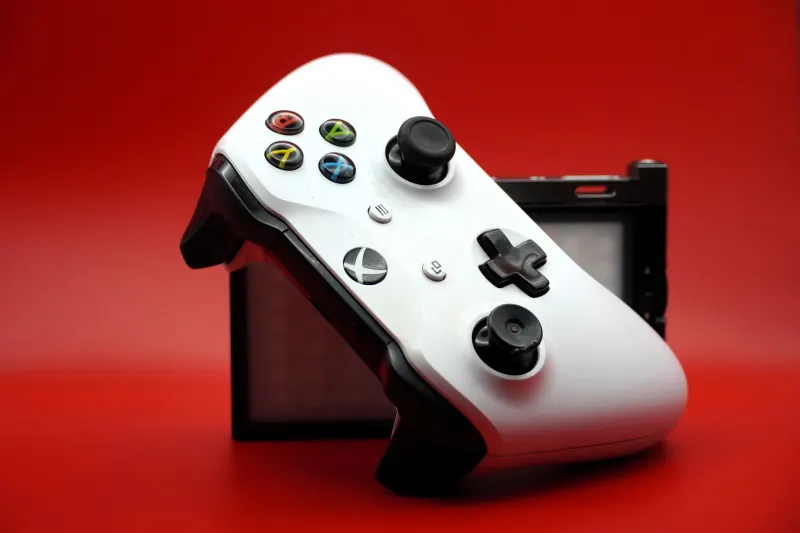
Microsoft has spent the past 25 years trying to shake up the game console market. The original Xbox, which launched on November 15th in 2001, took on an industry dominated by Sony and Nintendo. Twenty-five years later, Xbox finds itself in a similar position. It is not starting from scratch this time around, but to reach another milestone, it needs to do something radically different.
The original Xbox was built around familiar PC technology to entice developers, utilizing a custom Intel Pentium III processor, an Nvidia GPU, and 64MB of unified RAM. Microsoft also included unusual hardware features like an Ethernet port and a built-in hard drive, which let developers cache content and allowed players to save games without buying separate memory cards. Xbox Live launched in November 2002, bringing friends lists, unique gamertags, voice chat, and integrated multiplayer services that permanently changed online console gaming.
Subsequent hardware iterations brought further changes, including the Xbox 360 and the motion-sensing Kinect, which quickly became the fastest-selling consumer electronics device in early 2011. However, ambitions to turn the Xbox One into a living-room entertainment hub led to strategic missteps, forcing Microsoft to play catch-up to Sony for an entire generation.
Key takeaways
- The original Xbox launched on November 15th, 2001, featuring an Intel Pentium III processor, an Nvidia GPU, and a built-in hard drive.
- Xbox Live launched in November 2002, pioneering integrated online multiplayer, friends lists, and voice chat on consoles.
- Microsoft introduced Xbox Game Pass in 2017 to reshape game economics through a subscription model.
- Microsoft is restructuring its Xbox division, reducing overall headcount by 20 percent by June 2027.
The Rise of Game Pass and Current Challenges
The struggle of the Xbox One era pushed Microsoft to introduce Xbox Game Pass in 2017, a subscription service offering hundreds of games for a single monthly fee. To fuel this ecosystem, Microsoft acquired numerous studios, including Bethesda and Activision Blizzard. While Game Pass remains popular among fans, Microsoft has not proven it can turn the service into the mass-market success it envisioned, and the company has stopped regularly disclosing subscriber numbers.
Today, current hardware sales for the Xbox Series X and S lag far behind Sony’s PlayStation 5, and Xbox Cloud Gaming has yet to capture the massive audience Microsoft desired. These factors have raised questions about what the Xbox brand represents, leaving Microsoft uncertain whether to act as a third-party publisher, an ecosystem owner, or a combination of both.
Looking Ahead to Project Helix and Hardware Restructuring
Facing stiffer competition and lower sales, Microsoft is restructuring its Xbox division and cutting headcount by 20 percent by the end of its fiscal year in June 2027. Amid these shifts, the company is preparing a next-generation console codenamed Project Helix. This hardware aims to combine Windows and Xbox, allowing players to run both Xbox games and PC titles while potentially offering full backward compatibility with every past Xbox game.
Bringing the flexibility of PC gaming into a console format could expand the Xbox game library, but high component costs present a significant hurdle. A console projected to cost between $1,200 and $1,800 risks stalling ecosystem growth. Opening up the platform for third-party PC makers to build their own Xbox hardware might offer a solution to these pricing pressures, forcing Microsoft to once again convince players why a dedicated Xbox console needs to exist.





Comments