
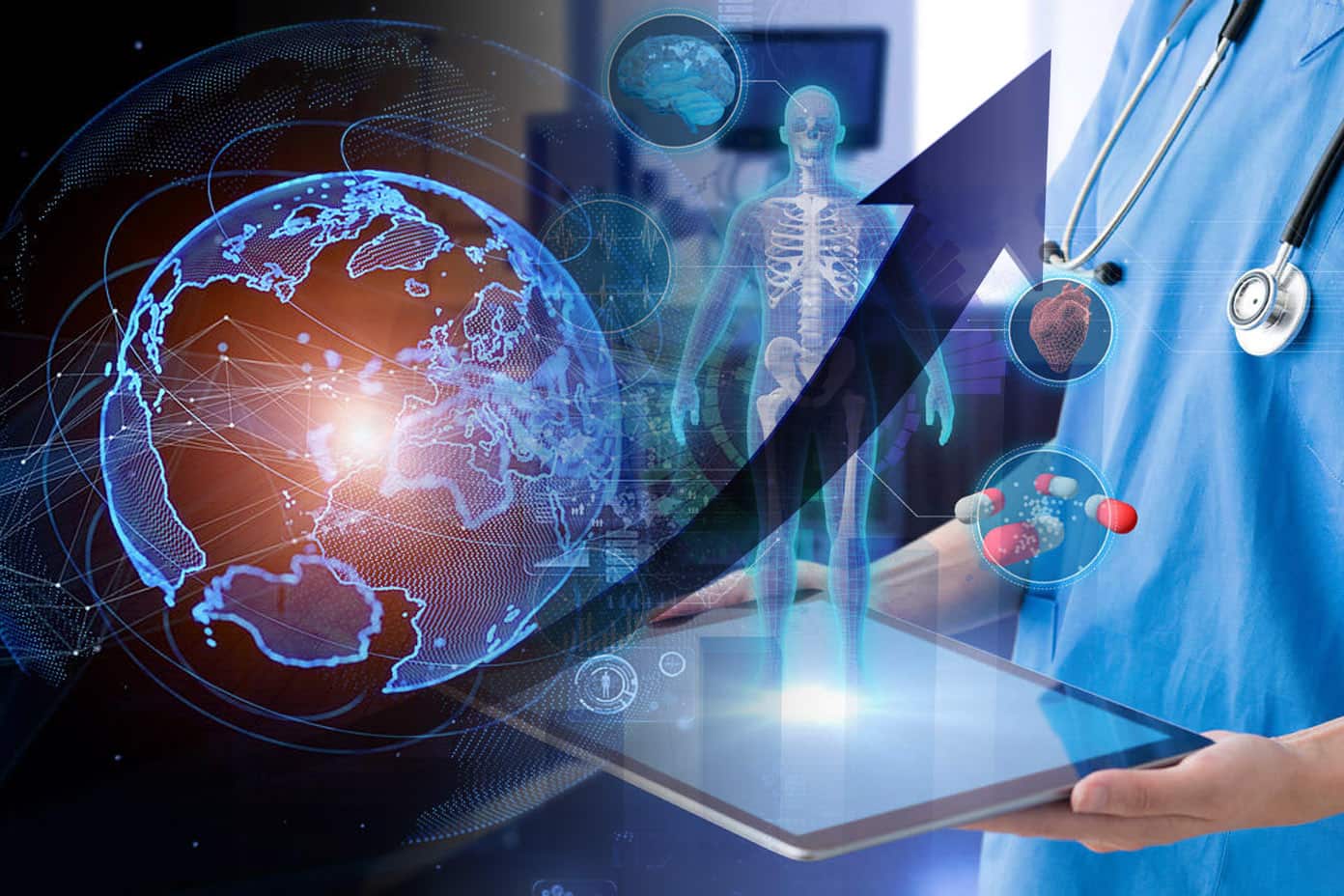
Machine Learning is emerging as a key driver of next-generation healthcare innovation, enabling medical institutions, researchers, and healthcare providers to deliver more accurate, efficient, and personalized patient care. By leveraging vast amounts of clinical, genomic, imaging, and real-time health data, machine learning systems are helping transform how diseases are diagnosed, treated, and managed across the healthcare ecosystem.
Healthcare organizations are increasingly adopting machine learning solutions to improve diagnostic accuracy and accelerate clinical decision-making. Advanced algorithms can analyze complex medical datasets, identify hidden patterns, and generate actionable insights that assist physicians in detecting diseases earlier and developing more effective treatment strategies.
One of the most significant applications of machine learning is in precision medicine, where patient-specific data is used to create personalized treatment plans. By examining genetic information, lifestyle factors, and medical histories, machine learning models help healthcare professionals determine the most suitable therapies for individual patients, leading to better outcomes and reduced adverse effects.
Medical imaging technologies are also benefiting from machine learning advancements. AI-powered systems can evaluate X-rays, CT scans, MRIs, ultrasounds, and pathology images with remarkable speed and accuracy, helping radiologists identify abnormalities that may otherwise go unnoticed. These capabilities support earlier disease detection and improve diagnostic confidence.
Machine learning is accelerating pharmaceutical research and drug discovery by helping researchers identify promising drug candidates, predict treatment effectiveness, and optimize clinical trial processes. This reduces development timelines and costs while increasing the likelihood of successful therapeutic innovations.
Predictive analytics powered by machine learning is enabling proactive healthcare management. Hospitals and healthcare providers can use predictive models to assess patient risks, forecast disease progression, reduce hospital readmissions, and implement preventive care measures before health conditions become severe.
The growth of wearable health devices, remote monitoring systems, and connected healthcare platforms is generating unprecedented amounts of patient data. Machine learning algorithms analyze this information continuously, providing real-time health insights and supporting personalized wellness recommendations and chronic disease management.
Healthcare administrators are also utilizing machine learning to improve operational efficiency. Intelligent systems help optimize resource allocation, patient scheduling, workforce management, inventory planning, and hospital workflows, allowing healthcare organizations to deliver better services while controlling operational costs.
Natural Language Processing (NLP) technologies combined with machine learning are enhancing the analysis of electronic health records, physician notes, medical research publications, and clinical documentation. These tools improve information accessibility and support evidence-based decision-making across healthcare institutions.
As digital transformation accelerates throughout the healthcare sector, machine learning is expected to become a foundational technology supporting innovation, patient-centric care, and medical research. Industry experts predict continued investment in AI-driven healthcare solutions throughout 2026 as organizations seek to improve outcomes, increase efficiency, and expand access to quality healthcare services.
The convergence of machine learning, predictive analytics, precision medicine, medical imaging, and digital health technologies is creating a future where healthcare becomes more intelligent, proactive, and personalized, ultimately improving the quality of life for patients around the world.





Comments