
Your email's spam folder has most likely seen a Nigerian prince or two pay a visit over the years. These types of digital messages often claim to come from individuals with a tremendous fortune who conveniently have issues accessing their wealth. If the recipient is kind enough to cover the initial fees first, the sender generously offers to share the wealth. To nobody's surprise, the promised millions never reach the victim's bank account, but requests for more money frequently continue. Infamously known as the Nigerian prince or 419 scam, referencing Nigeria's criminal code, this advance-fee fraud has transformed into an internet meme of sorts.
The perpetrator might pose as royalty attempting to claim an inheritance, or alternatively, a wealthy banker or government official seeking to move funds out of the country. Although the specific details change over time, the underlying art of the steal remains identical: paying upfront costs for a fortune that does not exist. The most fascinating aspect of this deceptive practice is that it predates email entirely. Different versions of the exact same con circulated widely as physical letters long before computers made mass messaging both cheaper and easier. In fact, the scheme had already been operating for decades by the time the first widely recognized spam message was transmitted over ARPANET in 1978 to advertise computers.
Key takeaways
- The Nigerian prince or 419 scam is a classic advance-fee fraud.
- Early variants like the Spanish Prisoner scheme date back to at least 1897.
- Teenagers in 1949 used fake royal titles to solicit money and clothes from Americans.
- The FTC reported physical letters from fake law firms continuing the con as late as July 2026.
From Spanish Prisons to Nigerian Royalty
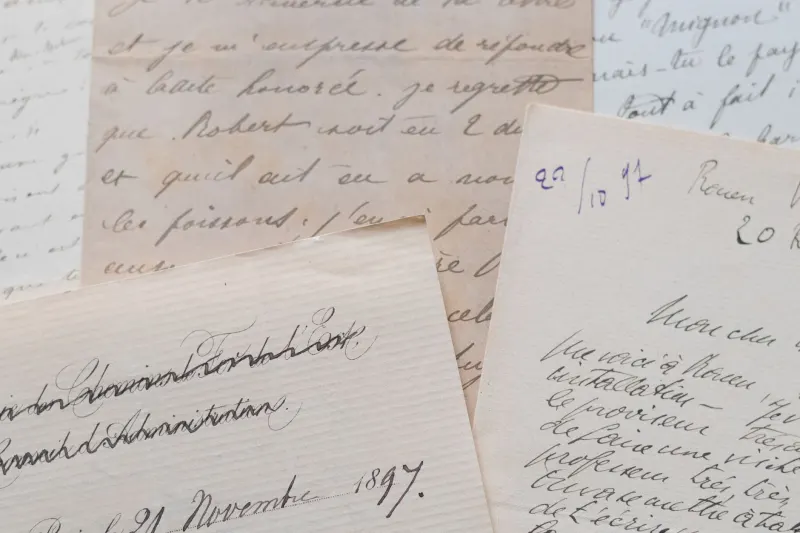
Long before the Nigerian prince scam appeared in inboxes, one of its earliest documented relatives was the Spanish Prisoner scheme. The narrative was remarkably similar: someone trapped in a foreign prison required financial assistance to recover a hidden fortune. The unsuspecting recipient was asked to reply via telegram in exchange for a handsome cut of that nonexistent wealth. One such letter appeared all the way back in 1897 within an Australian Police Gazette, offering twenty-five thousand pounds for assistance in recovering seventy-five thousand pounds in bank checks. All it required was a convincing story and the hope that an impressionable victim would fall for the trap.
The royal approach was already actively in play by 1949. According to a National Archives blog, a sixteen-year-old Nigerian calling himself Prince Richard asked Americans to send clothes and money in exchange for jewelry and other goods. This purported highness went silent once the requested items arrived, and subsequent investigations revealed no connection to actual Nigerian royalty. A similar trick was pulled by a fourteen-year-old Nigerian going by Prince Bil Morrison, who promised ivory and jewels in exchange for cash or clothes. According to investigators, he adopted the fancy title simply for fun, and while US postal officials issued fraud orders against both teenagers, historical records do not indicate what ultimately became of them.
Transitioning to the Digital Age
By the 1980s, Nigerian advance-fee letters were gaining serious traction internationally. As email technology spread rapidly throughout the 1990s, scammers could instantly cut the cost of physical envelopes, international postage, and physical delivery. While the core story barely changed, it became vastly easier to reach potential victims without using a single postage stamp. These days, the classic prince faces plenty of competition from supposed lawyers handling unclaimed inheritances or bankers desperately needing account details to release funds.
Cybersecurity experts and consumer protection agencies continue to issue warnings regarding these persistent threats. If a stranger promises a truckload of money while asking for upfront fees or sensitive personal details, recipients should ignore the message and any attached links. Consumers are advised to report such messages as spam or phishing before sending them straight to the trash can. Even though email is significantly cheaper and easier for bad actors, scammers have not entirely given up on physical mail either. As recently as July 2026, the Federal Trade Commission was still actively warning consumers about physical letters sent by fraudulent law firms offering shares of unclaimed life insurance policies worth millions.








Comments