
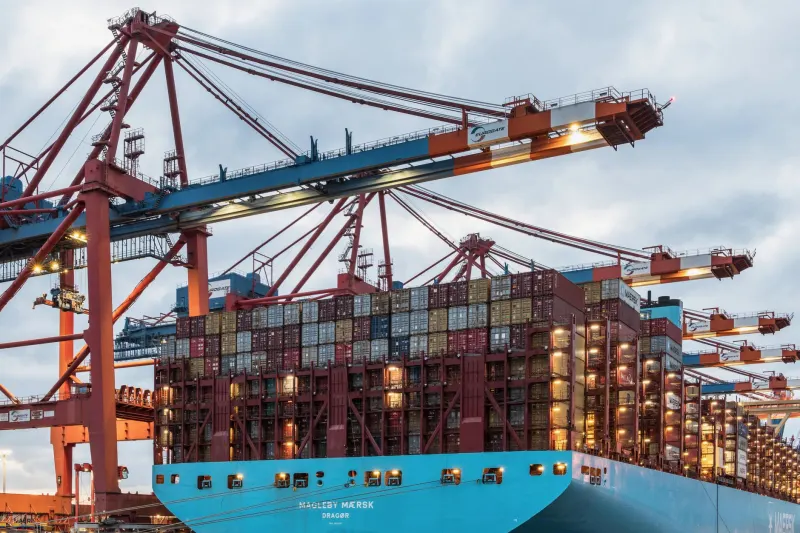
U.S. officials suspect that Iranian hackers may be responsible for as many as 50 cyberattacks targeting shipping vessels over recent weeks, according to a recent report published by The Wall Street Journal. The affected ships, which carry vital commodities such as oil, liquefied gas, and other explosive chemicals, were compromised while traveling across critical international shipping routes in Asia and Europe. Multiple oil tankers heading directly toward the United States coast in August experienced severe breaches in their navigation systems, forcing specialized cybersecurity teams within the Federal Bureau of Investigation and the United States Coast Guard to physically board the vessels for thorough security inspections and forensic analysis.
Federal investigators are examining whether Iran is aggressively expanding a recent wave of digital intrusions against American interests by going after large maritime commercial vessels. The ultimate strategic goal behind these sophisticated cyber operations may be to sow widespread fear among commercial shippers, disrupt critical maritime trade routes, or potentially orchestrate a catastrophic explosion at a busy port facility. Despite these severe operational risks, maritime vessels maintain independent backup control systems that can be utilized if automated navigation systems are compromised or suffer a complete operational failure while at sea.
Key takeaways
- U.S. officials suspect Iranian hackers targeted up to 50 shipping vessels in recent weeks across Asia and Europe.
- Compromised ships included vessels carrying oil, liquefied gas, and other hazardous chemical cargoes.
- Hackers may have exploited a security vulnerability known as FortiBleed affecting Fortinet routers on vessels.
- The FBI and Coast Guard boarded ships bound for the U.S. in August following navigation system breaches.
Router Exploits and Maritime Vulnerabilities
Cybersecurity investigators believe that the threat actors may have gained unauthorized network access by actively abusing a specific security flaw dubbed FortiBleed. This vulnerability allows malicious actors to break into protected enterprise networks by compromising vulnerable Fortinet-made routers. A joint security alert issued by both the FBI and the Coast Guard back in September explicitly warned that these specific Fortinet routers are widely deployed on commercial shipping vessels.
This aggressive maritime campaign closely aligns with a broader pattern of state-backed digital retaliation by foreign actors. Iran has been actively responding on multiple operational fronts following the United States and Israel-led war earlier this year, a conflict that unfortunately resulted in the death of the country's supreme leader. Much of this regional retaliation has manifested as coordinated cyberattacks aimed at infrastructure.
Wider Cyber Campaign Context and Agency Response
Beyond these newly uncovered maritime threats, U.S. officials have previously blamed Iran for a series of high-profile cyber intrusions targeting hundreds of American water utility providers as well as critical medical technology companies across the country. As the active federal investigation into the shipping vessel breaches continues to unfold, government agencies are working collaboratively to determine the full scope of the malicious campaign. A spokesperson for the FBI did not respond to requests for comment regarding the shipping hacks or whether the agency had verified a more precise tally of compromised vessels.








Comments