
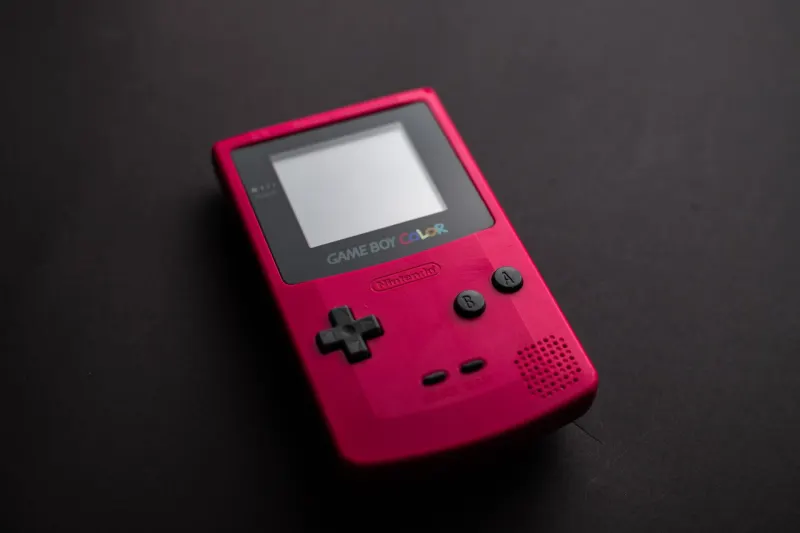
The Evercade Nexus arrives as a nostalgic time capsule designed to champion physical game ownership in an increasingly digital industry. Priced at $200, this retro gaming handheld from UK-based Blaze Entertainment attempts to bridge modern gameplay needs with an older era when purchasing a cartridge meant owning it completely without downloads, updates, or mandatory DLC. As mainstream publishers pull back from physical media, the Nexus serves as a small yet vocal advocate for tangible game collections.
Key takeaways
- The Evercade Nexus is a $200 retro gaming handheld built by Blaze Entertainment to play physical Evercade cartridges.
- The device features a bright 5.89-inch IPS LCD screen and runs native ports of classic titles like Banjo-Kazooie and Banjo-Tooie.
- Hardware drawbacks include awkward left thumbstick placement, stiff cartridge slots, and the absence of a sleep suspend function or HDMI output.
- While about 92 percent of the Evercade catalog relies on software emulation, select 3D titles run natively thanks to direct developer collaboration.
Hardware Design and Ergonomic Tradeoffs
Built around a large, bright 5.89-inch IPS LCD display, the handheld utilizes pixel-perfect integer scaling to present retro titles without visual distortion or stretching. Under the hood, the device packs a quad-core CPU and 512MB of RAM, prioritizing ease of booting and playing over raw performance chasing. However, the physical design introduces notable ergonomic hurdles. The parallel joystick layout requires users to awkwardly fan out their hands to reach the left thumbstick, leading to hand cramps during extended gaming sessions. Furthermore, the unit lacks analog triggers, limiting its ideal library to games from the Nintendo 64 era and earlier.
Physical interaction with the hardware reveals additional quirks. The clicky, non-analog shoulder buttons feel snappy, but the large dish-shaped D-pad makes it too easy to hit accidental diagonals. Swapping games can also prove frustrating, as cartridges sit stiffly inside the Nexus and require multiple fingers to remove. The handheld lacks a sleep suspend function, meaning players must fully exit and restart games when powering down the device, though communications head Sean Cleaver noted that the company is actively working on a suspension system. Despite a modest battery life of around five hours, the Nexus successfully delivers enough power for standard commutes and flights.
Native N64 Ports and the Battle for Physical Ownership
The standout achievement for the Nexus is its ability to run sought-after N64 titles like Banjo-Kazooie and Banjo-Tooie natively rather than through standard software emulation. Blaze Entertainment collaborated directly with developer Rare Studios to access original source code, resulting in steady performance and even uncovering unused music tracks accessible upon 100 percent completion. While roughly 92 percent of the broader Evercade catalog relies on open-source emulation to run on the cartridges, owning the physical media ensures players retain access regardless of online storefront changes.
As major industry players shift away from physical media—with companies like PlayStation planning to end game disc production for new titles by 2028 and Nintendo facing rising flash memory costs—Evercade carves out a niche akin to the vinyl record market. The Nexus may not serve as a complete panacea for modern game preservation challenges, but it delivers an addictive, tactile alternative for enthusiasts determined to hold onto their software collections.





Comments