
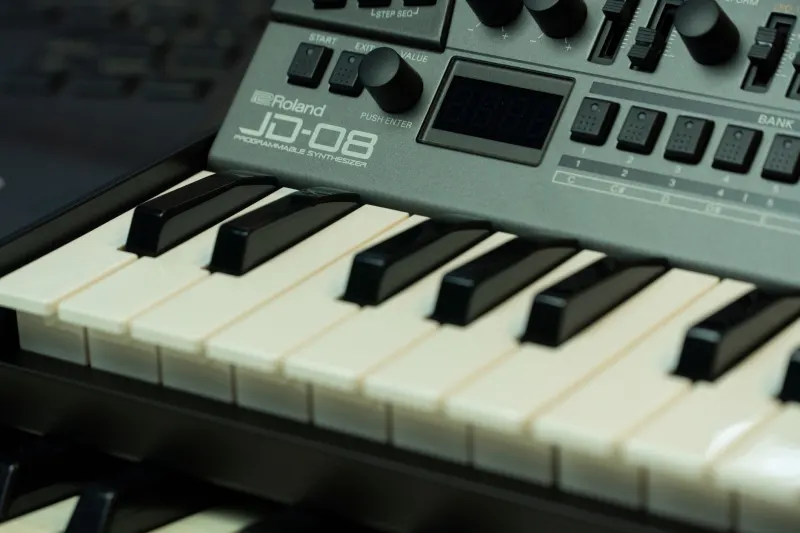
The emergence of powerful vibe-coding agents and tools like Reverse Engineer Anything has caused chaos in the music gear world, leaving companies scrambling to figure out how to respond. While some manufacturers like Roland have remained silent, others are opening their source codes and welcoming the modding community with open arms. In recent weeks, as it has become clear that no piece of music gear is safe from Claude and subreddits full of curious tinkerers, companies have begun pivoting toward open-source strategies.
Key takeaways
- inMusic CEO Jack O'Donnell announced plans to provide a developer toolbox and inner workings for devices like MPC and Sample.
- Behringer responded quickly by announcing a wave of open-source gear, including clones and controllers.
- M-Vave's hackable FM-1 pocket synth spurred the trend, prompting a forthcoming open-source successor called the FM-2.
- Brands like Elektron have taken a cautious stance, warning users against third-party firmware that could brick devices.
The largest player to adopt an "if you can't beat 'em, join 'em" approach is inMusic, the parent corporation behind brands like Akai, Moog, and Native Instruments. According to inMusic CEO Jack O'Donnell, the company intends to supply developers with a toolbox that lays out the inner workings of hardware like the MPC and Sample, empowering users to customize functionality. This initiative involves a newly launched software development kit alongside upcoming open-source devices, including the recently teased MPC Sample Key. Akai is attempting to balance creative freedom with professional reliability by building in a reset button so experimenters can tinker without permanently losing their setups.
Meanwhile, Behringer has rushed to capitalize on the trend with a flurry of open-source hardware announcements. Within a matter of weeks, the company revealed a $150 clone of the MPC One named Kick, an E-mu SP-1200 clone, the Anima DJ controller, the Ignite sequencer, and the Polykeys 61 MIDI controller, all slated as open source, though launch timelines remain unconfirmed. This movement was initially jump-started by M-Vave's FM-1, a $70 pocketable clone of the classic Yamaha DX7. Thanks to its low price and moddable architecture, it generated over a dozen custom firmwares, prompting M-Vave to release its own open-source developer firmware and confirm development of an open-source successor, the FM-2.
Other traditional hardware makers are displaying mixed reactions to the influx of AI-assisted modifications. Erica Synths recently released source code for its LXR-02 drum machine, though founder Ģirts Ozoliņš remains skeptical about the fundamental problems solved by vibe coding. However, Ozoliņš notes a potential upside in sustainability, pointing out that users can test multiple synth engines on a single box rather than purchasing numerous plastic units, even if it does little to offset data center environmental impacts. Polyend has similarly embraced open source for its Tracker line of grooveboxes, following last year's release of the Endless guitar pedal which allowed users to vibe-code custom effects.
Conversely, companies like Elektron have expressed reservations, banning custom firmware links from official forums due to risks of bricking hardware or voiding warranties. Elektron CPO Christian Alsing acknowledged sympathy for the hacker community while rejecting accusations that the company intentionally hides features, a sentiment echoed by Ozoliņš regarding the strict conceptual design of electronic instruments. Major manufacturers including Roland, Korg, Arturia, and Novation have yet to issue public statements concerning the rapid explosion of AI-aided custom firmwares.






Comments