
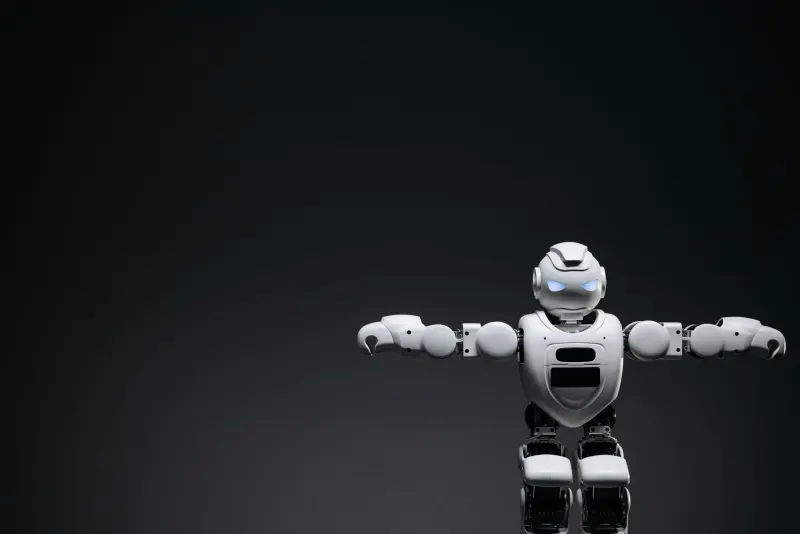
Chinese electric vehicle maker Xpeng has officially pulled back the curtain on its latest-generation humanoid robot, named Iron, during the company's annual AI day event. Stepping onto the stage in front of a live audience, the general-purpose machine demonstrated an extremely natural walking gait and interacted directly with human attendees by waving and exchanging high-fives. Xpeng co-president Brian Gu outlined an ambitious commercial timeline for the machine, which the company hopes will transition from controlled retail environments to household chore helpers within the next few years.
Key takeaways
- Xpeng showcased the newest version of its Iron humanoid robot at its AI day event in China.
- The company plans to deploy the robots as store assistants in early 2027, with mass production starting in January.
- Pricing is expected to align with Xpeng electric vehicles, ranging from roughly $18,000 to $46,500.
- Public reactions on social media drew comparisons to science fiction due to its glowing eyes and unique design.
Retail rollout and commercialization targets
According to statements made by Brian Gu to CNBC and Bloomberg, Xpeng intends to train the general-purpose humanoid to act as a store assistant in its own retail locations during the first quarter of next year. Mass production for these units is scheduled to begin in January 2027. Following the initial retail rollout, the company aims to scale up commercialization significantly throughout 2027, targeting sales of tens of thousands of units during that calendar year. Gu noted that this period will serve as a critical juncture for scaling up the business before the firm starts thinking about deploying the units into domestic home settings to handle everyday chores within one or two years.
Pricing structure and broader industry strategy
Xpeng expects to price the Iron humanoid robot similarly to its existing electric vehicle lineup. Consumers can anticipate a starting price comparable to an entry-level EV, roughly translating to around 119,800 yuan, or about $18,000 / £14,000 / AU$27,000. Prices could scale up to match higher-end vehicle models priced around 309,800 yuan, which equates to roughly $46,500 / £35,000 / AU$70,000. Gu suggested to reporters that achieving profitability in the robotics sector could prove significantly easier than in traditional automotive manufacturing. Much like competitors such as Tesla, which develops its Optimus humanoid alongside autonomous driving technology and electric cars, Xpeng is aggressively expanding its technological portfolio into physical artificial intelligence, autonomous driving systems, and even flying vehicles.
Public reception and technical hurdles
The public debut of the Iron robot sparked immediate discussions online, with Reddit users noting that its glowing eyes and physical build carried an ominous aesthetic reminiscent of science fiction androids and alien characters from popular media. Despite the striking stage demonstration, industry watchers maintain a degree of skepticism regarding the readiness of humanoid robots for everyday consumer environments. Competitors like Tesla have previously faced heavy criticism over early demonstrations of the Optimus robot relying heavily on teleoperation, including a high-profile incident where Salesforce CEO Marc Benioff failed to instruct the machine to fetch a soda. Transitioning humanoids from structured factory environments and controlled retail floors into unpredictable domestic spaces remains a considerable engineering challenge for the robotics industry at large.





Comments