
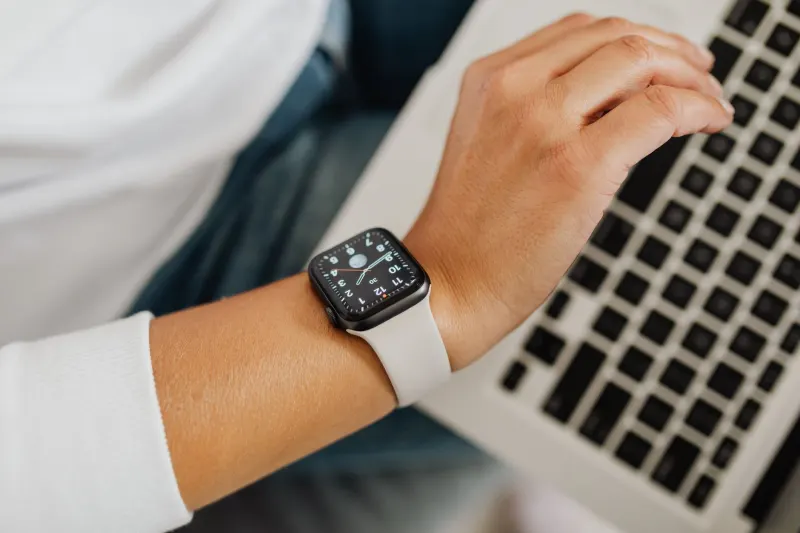
Samsung has officially expanded its high-end wearable lineup with the launch of the Galaxy Watch Ultra 2, priced at $700. Bringing a series of thoughtful hardware updates and performance enhancements, the chunky timepiece focuses heavily on activity tracking and addressing historical battery complaints. With a massive increase in cell capacity and a blindingly bright display, the device aims to challenge rivals in the rugged smartwatch category.
Built around a 47mm squircle titanium casing, the Galaxy Watch Ultra 2 weighs 61.5 grams and measures 10.7mm thick. It features a larger 1.52-inch display that peaks at an impressive 5,000 nits of brightness, which easily outpaces previous models and almost every competitor on the market. Durability is bolstered by IP69K dust and water protection alongside a 10 ATM rating, though a promised dedicated diving app remained unavailable months after the initial announcement. The device relies on Samsung's proprietary Dynamic Lug System for straps and has done away with the physical rotating bezel found on older legacy models.
Key takeaways
- The Galaxy Watch Ultra 2 is priced at $700 and features a 47mm titanium casing.
- Battery capacity has jumped from 590mAh to 800mAh, delivering up to three to five days of use.
- The display reaches a maximum brightness of 5,000 nits.
- Advanced features like ECG and sleep apnea detection require a paired Samsung phone.
Battery Performance and Hardware Upgrades
The most significant leap forward for this generation is internal. Samsung upgraded the battery capacity from 590mAh on the original Ultra to an 800mAh cell, providing over a third more power. Powered by the Snapdragon Wear Elite chipset, the wearable easily clears multi-day usage thresholds. During everyday testing with an always-on display, notifications, sleep tracking, and daily hour-long workouts, the watch reliably lasted three days before dipping below 20 percent. Users who turn off the always-on display or skip tracked workouts can even stretch battery life to four or five days.
Navigation relies on three physical buttons on the right edge alongside gesture swipes across the touchscreen. However, the lack of a physical dial introduces challenges when interacting with sensitive picker wheels, such as adjusting numbers in third-party fitness software like the Hevy weight training app. Furthermore, app icons in the drawer can feel too uniform, making the alphabetical scrolling list cumbersome to navigate quickly.
Health Metrics and Software Ecosystem
Health and fitness tracking remain a major focus, though Samsung has split its capabilities across the Samsung Health and Health Monitor apps to navigate regional medical compliance. The device packs an array of biometrics, including hydration tracking during intense exercise, antioxidant level monitoring, body composition scanning, and new loud noise detection. Sleep tracking has also been streamlined, requiring only three days of recent data instead of seven, and introducing a sleep coaching pet alongside upgraded sleep apnea detection that monitors blood oxygen and heart rate variability.
Several critical medical features, however, come with platform limitations. Tools like the ECG for detecting signs of atrial fibrillation, blood pressure monitoring, and the sleep apnea test are restricted to users who pair the wearable with a Galaxy smartphone, leaving non-Samsung Android users without full access to the device's comprehensive health suite.


Comments