
The rapid expansion of artificial intelligence has triggered a profound environmental dilemma. Massive training clusters demand staggering amounts of electricity, heavily taxing local power grids and driving up carbon emissions just as global climate targets demand swift reductions. Yet, a quieter counter-narrative is taking shape inside research labs and energy firms worldwide. The very same computational power driving the AI boom is increasingly being harnessed to diagnose, manage, and mitigate the broader climate crisis.
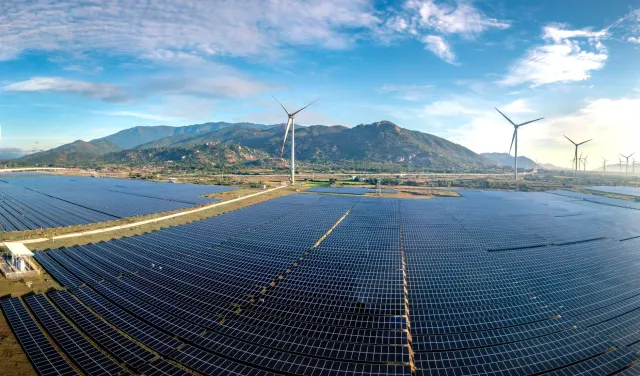
Energy grids present one of the most immediate applications for this technology. Traditional power systems struggle to balance fluctuating loads, particularly as volatile wind and solar sources supply a larger share of electricity. Machine learning algorithms now process real-time weather forecasts, historical consumption patterns, and grid telemetry to predict energy demand with unprecedented accuracy. By anticipating drops in renewable generation or spikes in consumer use, grid operators can dispatch power reserves efficiently, minimizing reliance on peaker plants fueled by natural gas or coal.
Beyond grid management, AI models are accelerating materials science and climate modeling at a scale previously thought impossible. Researchers use deep learning architectures to simulate molecular interactions for next-generation battery storage, carbon capture membranes, and industrial catalysts. These computational shortcuts bypass months of trial-and-error laboratory experimentation, shortening development cycles for critical green tech.
Critics rightly point out that the energy debt racked up by large language models and generative infrastructure remains substantial. However, the calculus is shifting as tech companies face stricter regulatory scrutiny and corporate net-zero commitments. Developing energy-efficient silicon, relocating data centers near surplus renewable sources, and redirecting computational heft toward environmental remediation are becoming standard practice. The ultimate test will be whether the climate mitigation gains orchestrated by algorithms can consistently outpace the heavy power footprint required to run them.
How Artificial Intelligence Is Turning Its High Energy Cost Into Climate Solutions







Comments