
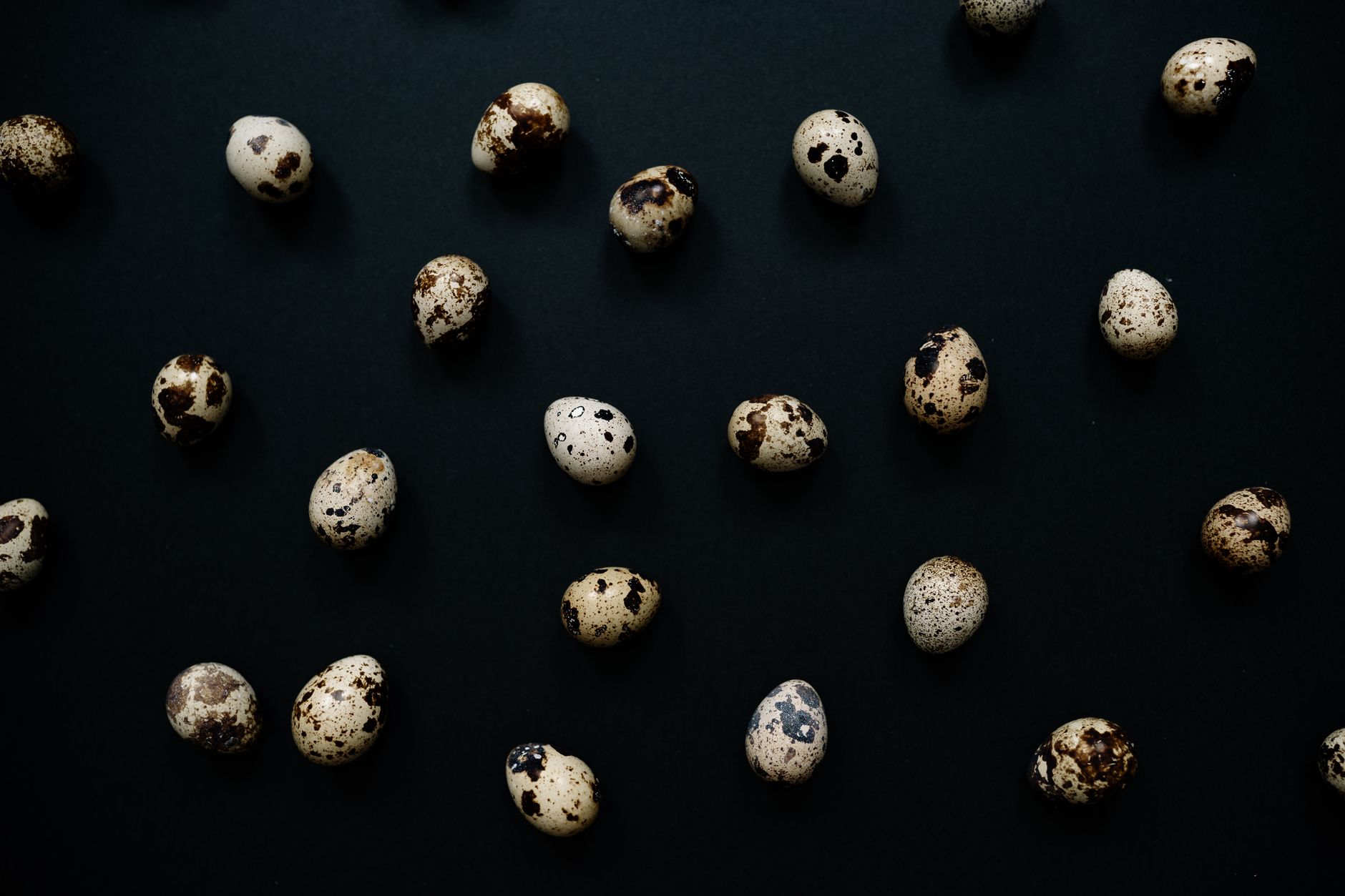
An exceptionally rare, ancient moa egg has officially returned to New Zealand, thanks to a collaborative effort between filmmaker Peter Jackson and high-tech conservation startup Colossal Biosciences. The 8.75-inch artifact, which is one of fewer than 40 known moa eggs to exist, was recently acquired after appearing at a public auction hosted by a Colorado fine arts dealer in June. For the past six decades, the fragile remains had been kept in a private collection following their initial discovery in New Zealand back in 1966.
The recovered specimen was officially presented to indigenous Ngāi Tahu leader and history professor Te Maire Tau during the 11th International Meeting of the Society of Avian Palaeontology and Evolution in Christchurch. The artifact, which requires meticulous restoration work to reattach numerous fragment pieces, will be entrusted directly to the Ngāi Tahu people. Experts note that once restoration concludes, this specimen will likely rank among the top handful of best-preserved moa eggs in existence.
Colossal Biosciences plans to collaborate closely with the local indigenous community, the Canterbury Museum, and the University of Canterbury on future scientific analysis of the egg. Potential research pathways include non-destructive imaging, isotopic analysis to determine geographic origins, and careful DNA sampling. Company executives emphasized that all upcoming scientific procedures will proceed strictly under the guidance and approval of New Zealand's indigenous custodians.



Comments