
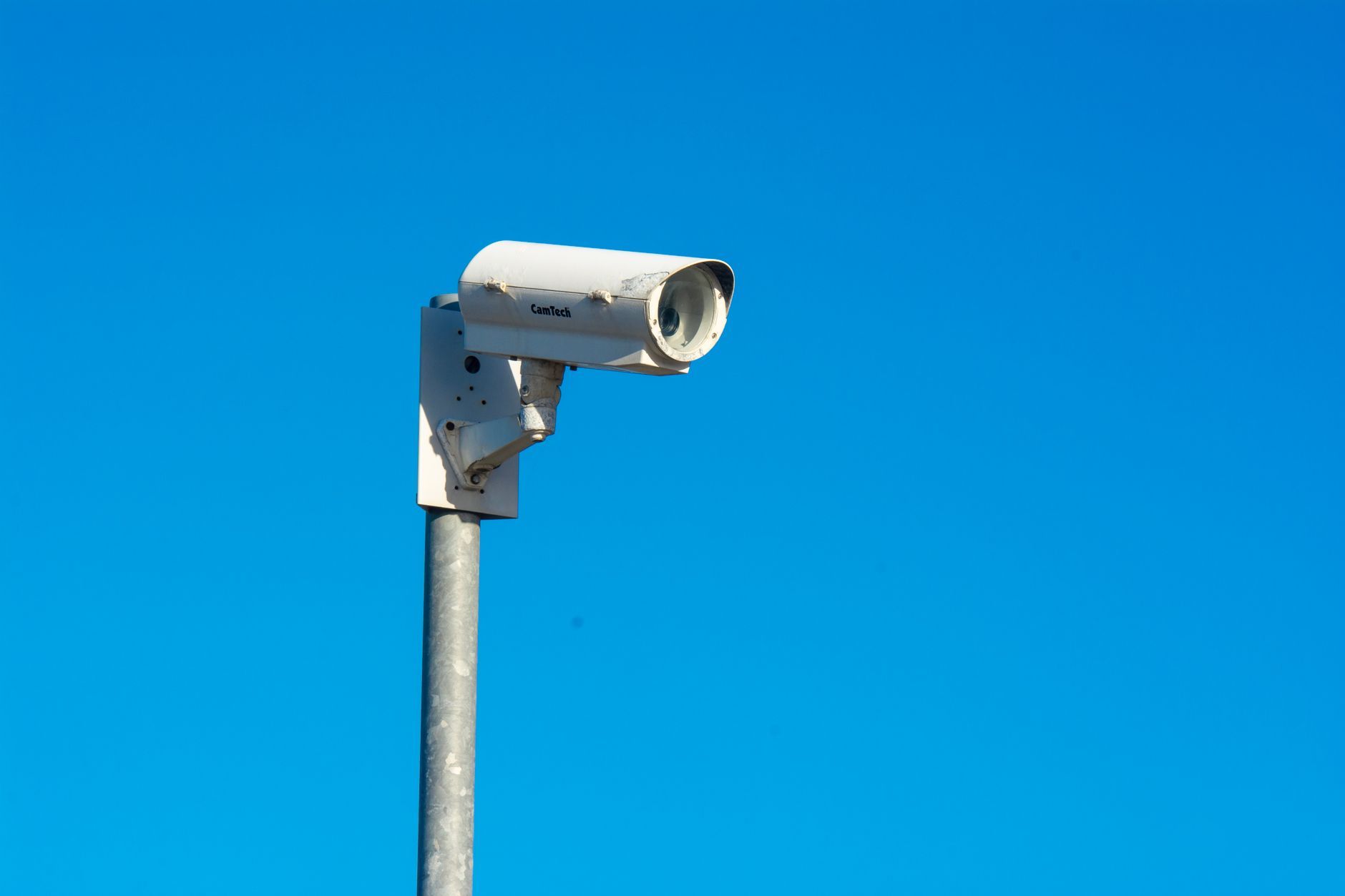
Autonomous surveillance towers equipped with artificial intelligence are rapidly transforming the geography of the US-Mexico border, though not without drawing intense scrutiny from civil rights advocates. The deployment of these automated observation systems, designed to track movement across rugged and remote terrain, has escalated tensions between national security objectives and digital privacy protections. Civil liberties organizations argue that the constant, algorithmic gaze cast over border regions creates an unprecedented dragnet affecting both undocumented migrants and legal American residents alike.
Federal agencies maintain that these advanced towers act as a vital force multiplier, helping personnel monitor vast stretches of land where human presence is sparse. Traditional patrol methods often leave critical blind spots, whereas machine-learning software can flag anomalous movement, vehicles, or heat signatures day and night. Proponents point to reduced response times and enhanced officer safety as undeniable proof of the technology's efficacy. Yet, critics emphasize that unlike human agents, automated cameras never blink, never forget, and continuously log telemetry on everyday civilian activity near federal boundary zones.
At the heart of the controversy lies the opaque nature of the algorithms driving these towers and the massive repositories of video data being compiled. Privacy watchdogs have repeatedly demanded transparency regarding data retention policies, facial recognition capabilities, and potential partnerships with third-party software contractors. Without strict regulatory guardrails, legal experts warn that border zones risk becoming permanent testing grounds for domestic surveillance infrastructure that could eventually creep inland. As the government continues to scale up its technological footprint, lawmakers face mounting pressure to establish clear boundaries between national security measures and constitutional privacy rights.



Comments