
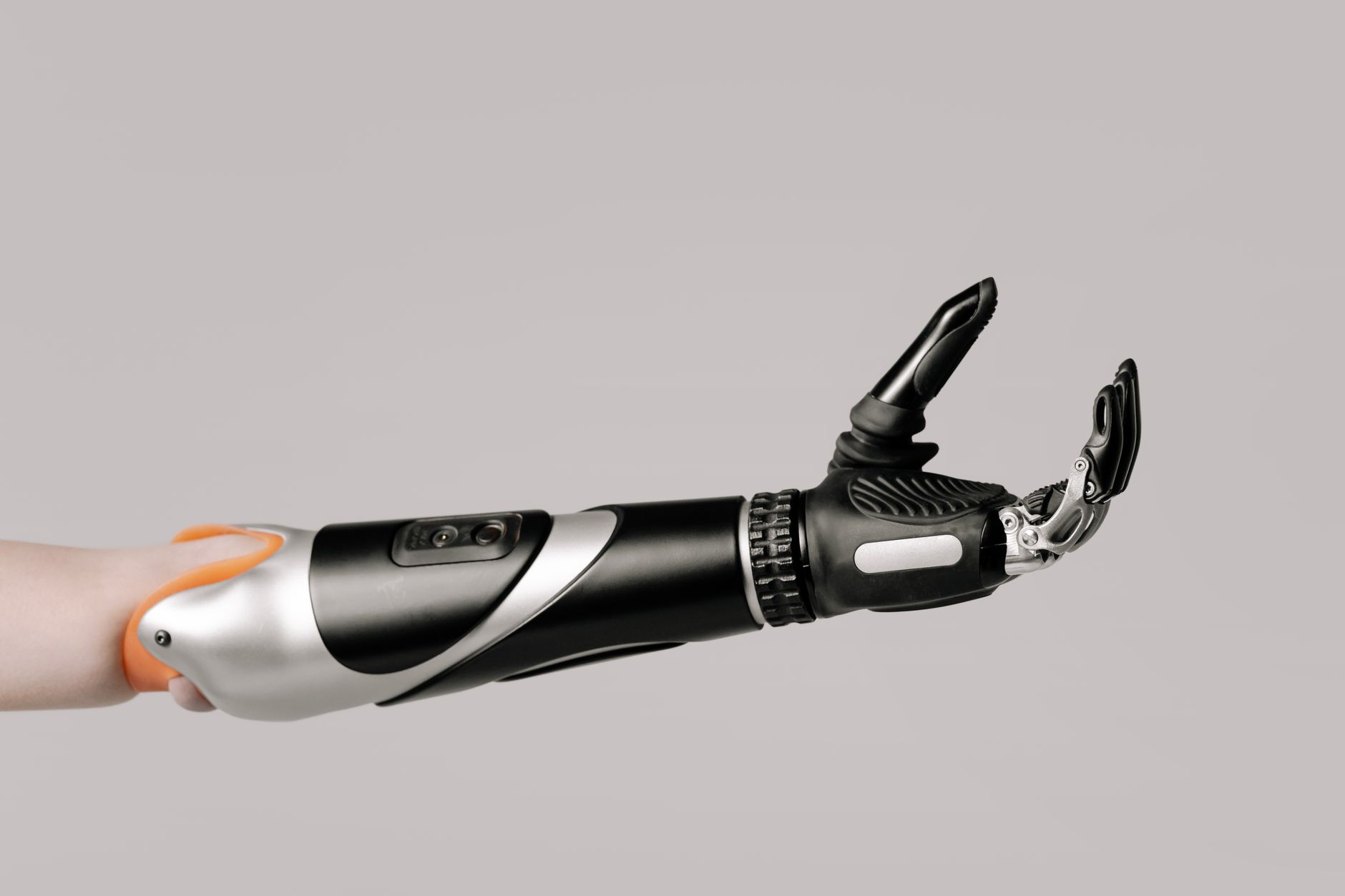
Wearable robotics have officially transitioned from science fiction tropes into heavy industrial and medical reality. At a high-profile trade fair in China this week, domestic engineering firms exhibited a new generation of powered exoskeletons designed to augment human strength, reduce workplace fatigue, and assist in physical rehabilitation. These systems combine high-torque electric actuators, lightweight carbon-fiber frames, and responsive sensor arrays that predict human movement patterns with remarkable precision.
The annual exhibition drew massive crowds, with attendees testing units built for logistics workers, warehouse operators, and factory personnel. Traditional heavy lifting often leads to chronic lower back injuries and severe joint strain. Manufacturers claim these motorized suits can shoulder up to eighty percent of a heavy load, effectively shielding operators from repetitive strain injuries while boosting overall warehouse productivity. Similar technology is simultaneously finding a foothold in healthcare corridors, helping stroke patients and individuals with spinal cord injuries regain mobility through guided, motorized physical therapy.
Commercial adoption remains the ultimate hurdle for the exoskeleton sector, despite these impressive hardware iterations. High manufacturing costs, battery life limitations, and regulatory hurdles have historically slowed mass-market deployment. Yet, aggressive domestic manufacturing push and lower component costs in Asia are rapidly driving down price points. As battery density improves and control algorithms grow more intuitive, wearable robotics are poised to leave specialized medical and military niches behind, entering everyday industrial supply chains sooner than many analysts anticipated.





Comments