
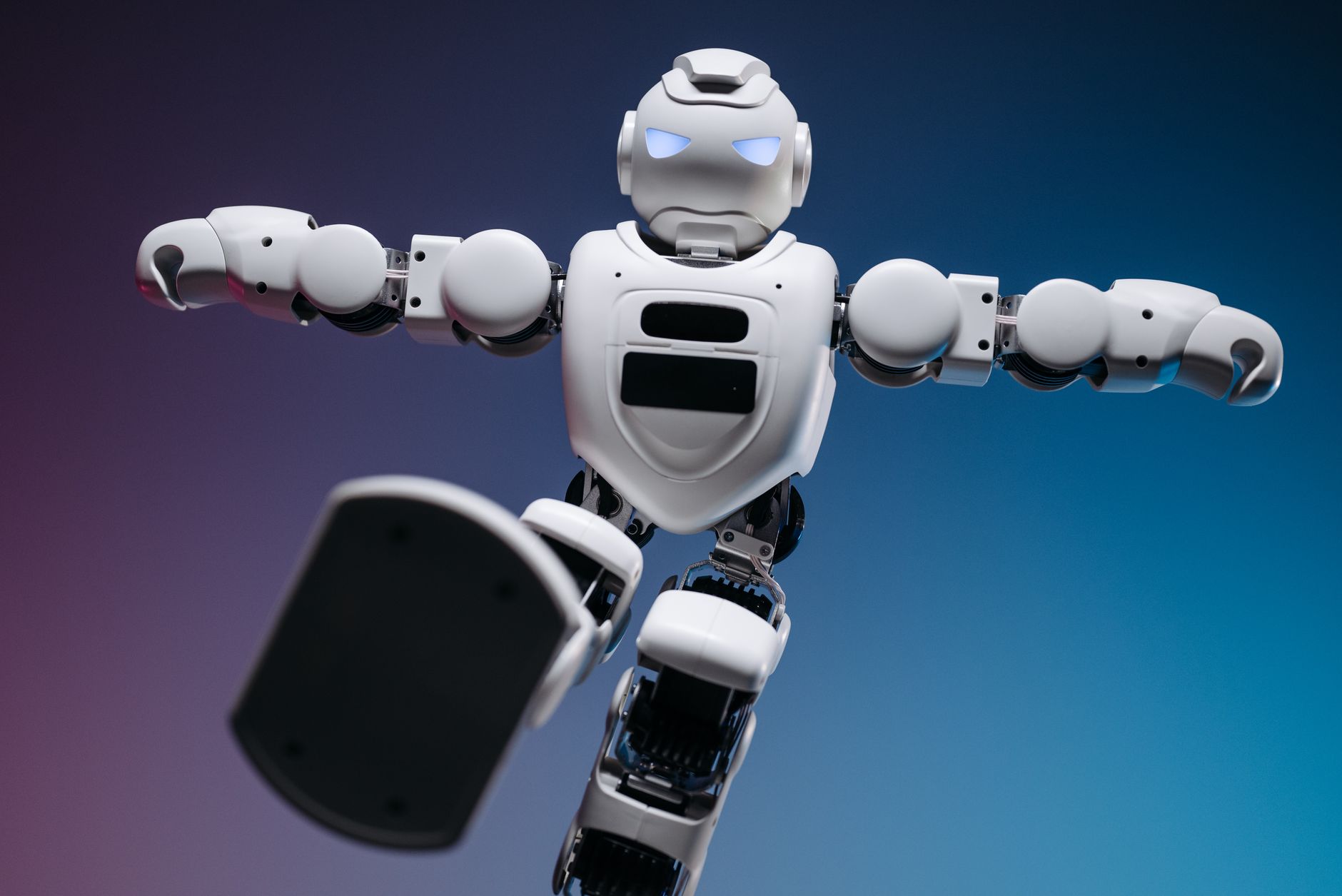
Wearable robotic technology is rapidly transitioning from specialized medical apparatuses into heavy industrial and commercial use cases. At a major trade exposition in China, manufacturers demonstrated advanced motorized exoskeletons designed to drastically amplify human lifting capacity while reducing physical strain during prolonged labor shifts. These suits utilize sophisticated sensor arrays to predict user movement, synchronizing mechanical torque with natural muscle contractions in real time.
For years, commercial adoption of powered mobility frames faced significant hurdles, primarily driven by bulky power packs, rigid actuation systems, and prohibitive price points. Recent engineering iterations focus heavily on lightweight carbon-fiber composites and high-density lithium-silicon batteries that deliver extended operational runtimes. By cutting down weight and improving thermal efficiency, developers are making these mechanical rigs practical for warehouse logistics workers, construction crews, and manufacturing assembly lines.
Market analysts project that the enterprise demand for ergonomic assistive robotics will expand significantly over the coming decade, particularly as aging workforces in industrialized economies face rising strain injuries. Beyond heavy industry, dual-use applications in disaster response and emergency rescue operations are attracting substantial venture capital and government interest. As production scales up and component costs drop, the sight of factory floor personnel wearing robotic frames may soon become an ordinary element of global supply chains.



Comments