
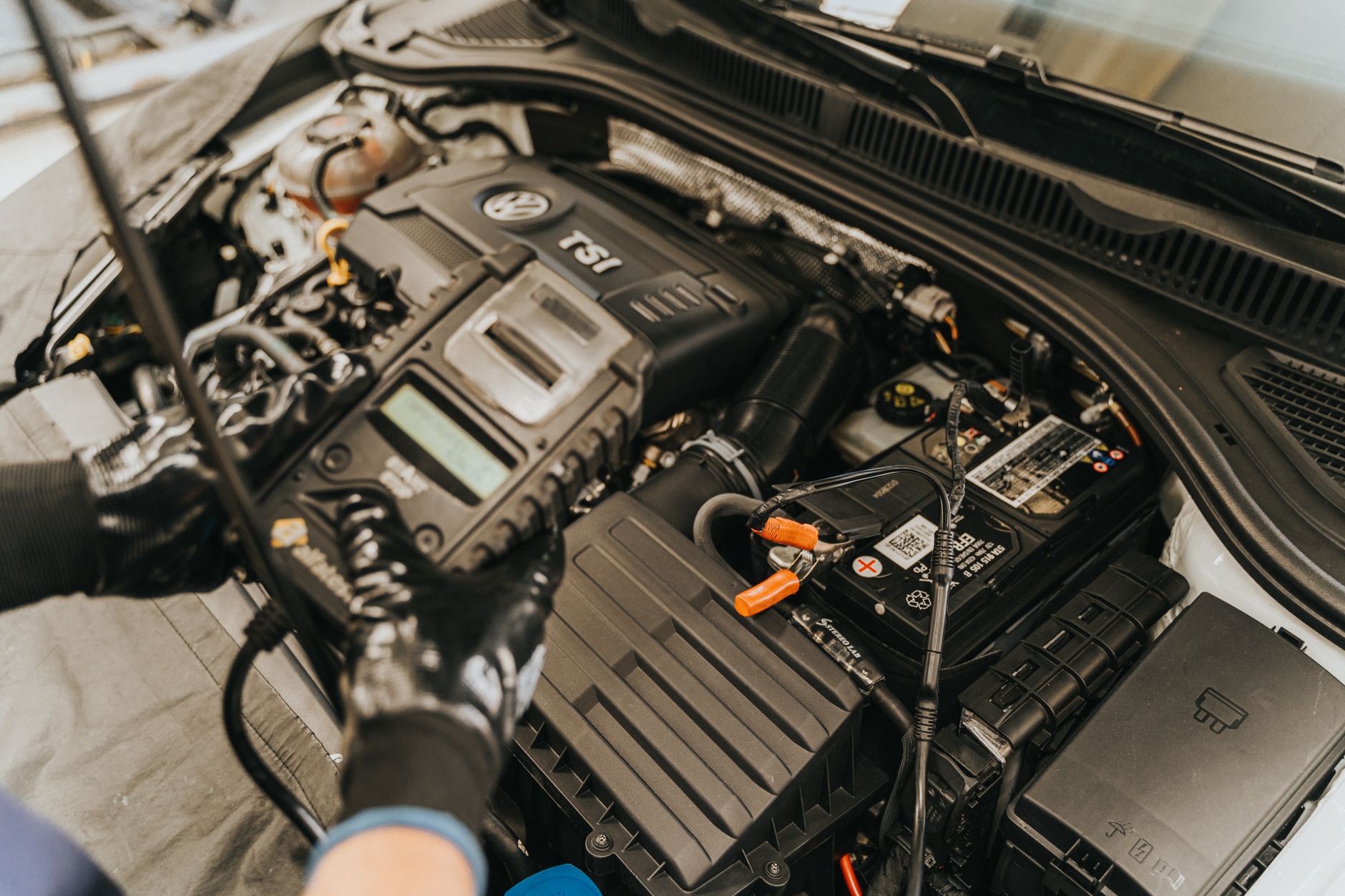
Traditional automotive dealerships find themselves caught in an expensive modernization cycle as the vehicles rolling off assembly lines become rolling computers. Fixing a modern car requires far more than wrenches and traditional mechanical know-how. Advanced driver-assistance systems, intricate EV powertrains, and cloud-connected software architectures demand high-end diagnostic hardware and continuous, rigorous training for garage staff.
The shift is altering dealership operating expenses drastically. Fixed operations used to rely heavily on predictable mechanical repairs like oil changes and brake replacements. Today, diagnostic software subscriptions, specialized high-voltage lifting bays, and certified hardware tools are eating into profit margins. Dealership owners who fail to invest quickly enough risk losing customers to independent shops or finding themselves unauthorized to service the very brands they sell.
Automakers are adding to the friction by tying warranty reimbursements and dealership certifications to strict tooling compliance. These requirements mean smaller regional lots face difficult financial calculations just to remain competitive against high-volume corporate dealership networks. Over time, this technological gap could accelerate consolidation across the retail automotive sector.
Industry analysts expect capital expenditure requirements for service departments to keep climbing through the decade. As software-defined vehicles dominate new inventory, the ability to troubleshoot a digital glitch will matter just as much as fixing a mechanical failure. Dealership survival now depends heavily on treating technical education as a core operational priority rather than an afterthought.
Modern Auto Dealerships Are Struggling to Keep Pace with Complex Vehicle Tech




Comments