
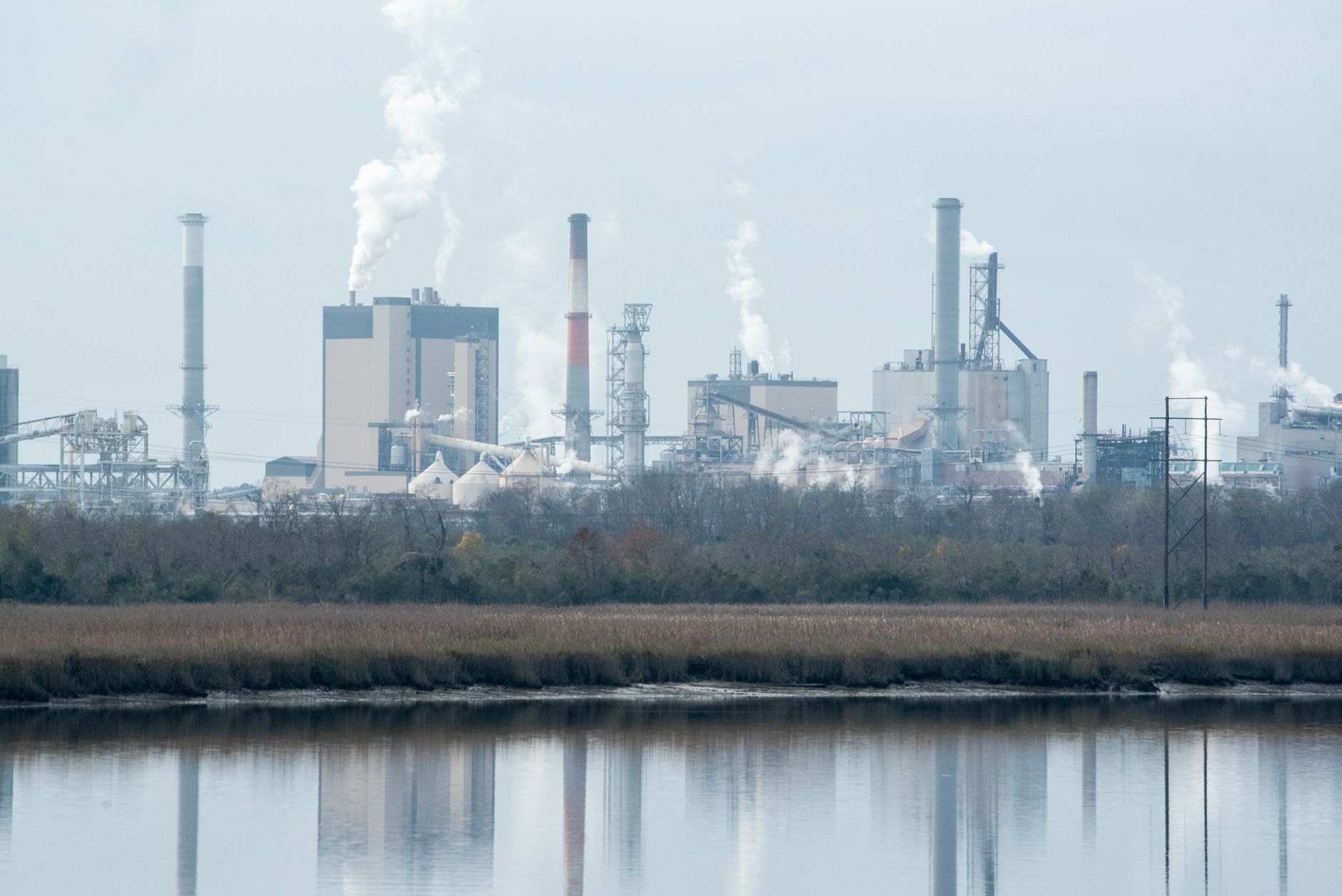
Decarbonizing heavy industry requires far more than just replacing fossil fuels with clean energy alternatives. A comprehensive new framework published in Nature highlights how the UK's path toward net-zero emissions is fundamentally tied to a complex web of regional politics, corporate interests, and technological readiness. Researchers point out that industrial clusters spanning various geographic regions face distinct economic hurdles that generic national policies often fail to address effectively.
At the heart of the debate are the local workforces and industrial stakeholders who shoulder the immediate economic risks of green transitions. Communities historically reliant on manufacturing, steel production, and chemical processing require targeted economic safeguards to prevent regional decline. Meanwhile, the deployment of foundational technologies like carbon capture and storage or industrial hydrogen grids demands massive capital expenditure and clear regulatory certainty from policymakers in Westminster.
Moving forward, the success of the UK's climate strategy hinges on bridging the gap between national climate ambitions and regional economic realities. Policymakers must increasingly engage with local governance structures and industry leaders to design place-based interventions. Without aligning regional economic incentives with environmental targets, the country risks stalling its most critical industrial transformation efforts just as momentum matters most.




Comments