
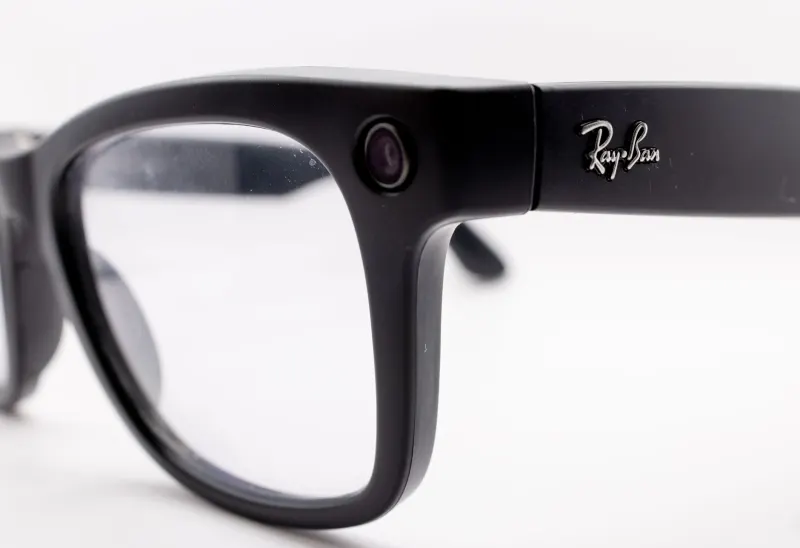
The world of artificial intelligence glasses, or smart glasses as they are more commonly known, has developed rapidly into a plausible and expensive reality. What once felt strictly like science fiction with cutting-edge hardware built directly into frames is now a thriving market. A 2026 survey conducted by Security.org found that 25 percent of respondents reported they were likely to buy a pair of smart glasses in the coming year. Yet, just like every other piece of technology that came before it, smart glasses are only as good as the people who use them, and their place in an increasingly surveyed society demands careful scrutiny before making a purchase.
Key takeaways
- A 2026 Security.org survey revealed that 25 percent of respondents plan to buy smart glasses in the coming year.
- Tech content creators and repair shops heavily use the devices to showcase their day-to-day business activities.
- Seniors and individuals with disabilities utilize the wearables for accessibility features and medication reminders.
- Built-in cameras and physical issues like eye strain raise serious privacy and health concerns.
Who is actually buying and using smart glasses
Scrolling through YouTube or social media platforms featuring shorts and reels makes it easy to spot content creators using smart glasses. These devices are immensely popular among technology content creators and repair shops, which use the wearables as a direct way to showcase their day-to-day business operations. In that specific context, the technology feels quite endearing and provides a beneficial gateway into first-person workflows. Beyond media production, smart glasses have found traction within other distinct demographics.
Some seniors have shown a strong interest in adopting the technology for its accessibility features, specifically using the devices to help keep track of doctor visits or medication reminders. Furthermore, the wearables are popular among individuals with disabilities, where the actual need for these assistive tools feels far more justifiable. Not every piece of technology has to appeal to every single person globally, and if hardware can make life easier for certain populations, society benefits from those advancements.
Privacy risks and physical health concerns
The wisdom of buying smart glasses depends almost entirely on what their practical daily use would be for an individual. While they have proven helpful in certain workplaces, the constant chase for efficiency and quotas means the physical act of wearing them has noticeable downsides. Smart glasses have developed a reputation for causing eye strain and irritation, mirroring similar physical complaints historically associated with virtual reality headsets.
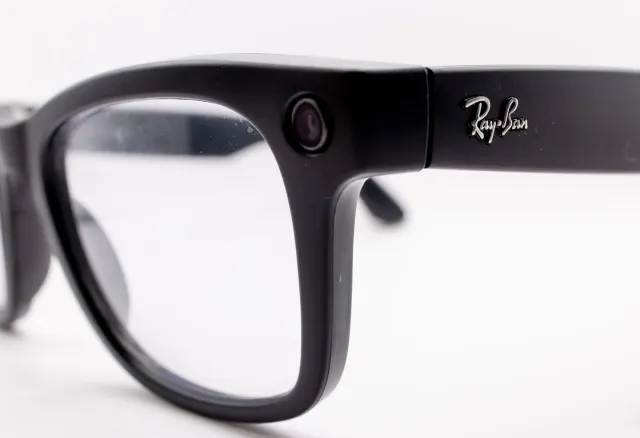
The more alarming issues, however, stem from the actual technology housed inside the frames. Many smart glasses come equipped with cameras capable of capturing video without drawing immediate attention. No matter how advanced the rest of the hardware is, covert recording has rightfully frightened many people over the years. Consent and privacy laws regularly clash with wearable technology, as the thought of someone recording you without your knowledge in a public space raises major red flags for consumers and bystanders alike.




Comments