
Apple recently introduced its sixth-generation M-series processor alongside the latest Mac mini, touting significant boosts to CPU and overall performance. Review testing shows the machine handles tasks like photo editing and 4K video transcoding smoothly without missing a beat. However, consumers evaluating processor technology against the PC side of the fence will find that the M6 still cannot compete with dedicated NVIDIA GPUs when it comes to gaming and real-time graphics tasks.
Key takeaways
- Apple announced its M6 chip alongside the latest Mac mini, introducing the sixth generation of M-series processors.
- The M6 features 12 CPU cores and 12 GPU cores in an all-in-one processor design.
- Review testing showed the M6 Mini averages 55 frames per second in Cyberpunk 2077 on default Mac settings.
- The new Mac mini carries a $900 sticker price, marking a $300 increase over the previous generation.
Comparing M6 graphics performance with NVIDIA hardware
Conducting an exact comparison between Apple silicon and PC graphics is complex because the M6 operates as an all-in-one processor with 12 CPU and 12 GPU cores. In contrast, NVIDIA GPU performance depends heavily on the specific card chosen and the paired AMD or Intel CPU. Furthermore, benchmarking Mac graphics often relies on Metal scores, whereas Windows PCs utilize APIs like DirectX 12 or Vulkan.
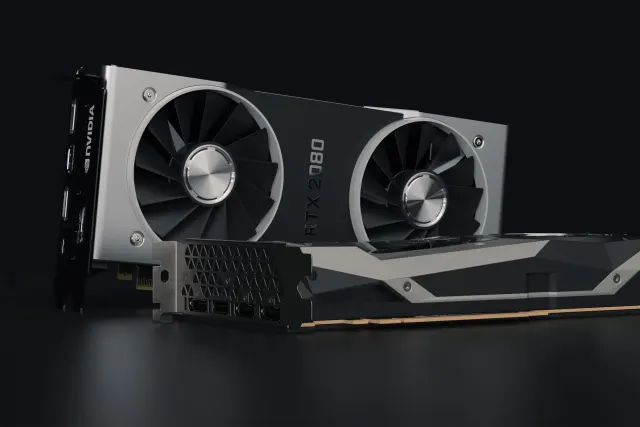
Data points offer insight into the performance gap. MacRumors notes that the Geekbench OpenCL score for the M5 Ultra processor aligns roughly with NVIDIA's GeForce RTX 4080, and the M5 Ultra reaches a 366,744 Metal score. By comparison, the M6 records a Metal score of 93,217, which is nearly four times lower. Because the RTX 4080 represents 2022 architecture, and newer RTX 50-series and rumored RTX 60-series cards continue to advance, the M6 faces challenges keeping pace with future real-time 3D graphics demands.
Real-world gaming and non-rendering tasks
Despite benchmark differences, the M6 performs adequately for users who are not focused on maximum visual detail or extreme future-proofing. Reviewers recorded an average of 55 frames per second in Cyberpunk 2077 using default Mac quality settings, which provides a smooth experience for many titles. For non-rendering workloads such as video transcoding, performance gaps between the M6 and comparable NVIDIA-based PCs remain minor or non-existent, meaning most users will barely notice export time differences of a few seconds.
Pricing advantages and software compatibility
Price remains a major advantage for Apple's hardware ecosystem. The new Mac mini retails for $900, representing a $300 price hike over the prior generation. In comparison, an RTX 5060 card costs upwards of $450 before factoring in additional components required to assemble a working PC, while high-end RTX 5080 cards exceed $2,000. Buyers can potentially purchase an M6 Mini and a future follow-up model years later while still spending less than the cost of high-end NVIDIA-powered gaming laptops.
Ecosystem and software limitations remain a factor for prospective buyers. While macOS hosts plenty of productivity software, most video games are built for PCs first due to larger customer bases and heavier hardware horsepower. Buyers prioritizing a machine primarily for gaming might look toward alternatives like Valve's $1,050 Steam Machine, which runs modern games using custom AMD hardware despite lacking Apple integration.


Comments