
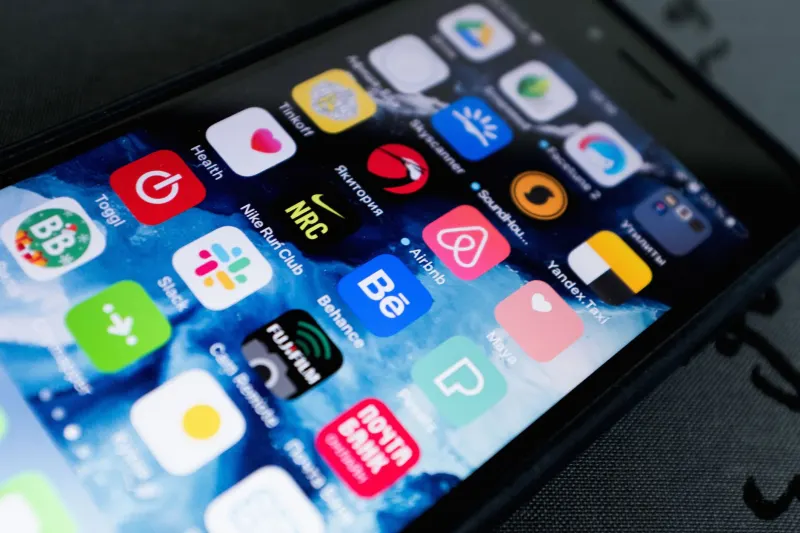
Google has officially published its monthly Google System Release Notes for November 2026, outlining the latest software adjustments hitting its expansive device ecosystem. The documentation details changes deployed across a wide array of hardware form factors, including Android smartphones and tablets, Wear OS smartwatches, Google and Android TV interfaces, Android Auto, and PC integrations. These regular updates span core software components including Google Play services, the Google Play Store, and overall Google Play system updates.
The newly detailed feature set targets a diverse audience, carefully balancing consumer-facing improvements with robust tools tailored specifically for developers. While some enhancements directly alter the end-user experience on mobile devices and connected smart displays, others focus heavily on backend infrastructure, security frameworks, and developer APIs necessary for application compatibility across the sprawling Android hardware ecosystem.
Key takeaways
- November 2026 release notes cover updates for Android phones and tablets.
- Changes apply across Wear OS, Google and Android TV, Auto, and PC platforms.
- Updates target core components like Play services and the Play Store.
- Features are split between end-user enhancements and developer-focused tools.
Ecosystem-Wide Reach and Core Components
The monthly release notes serve as the central tracking log for modifications made by Google to the underlying operating framework of modern certified Android devices. By bundling changes for Play services, the Play Store, and system-level patches together, Google addresses multiple form factors simultaneously. This broad reach includes Wear OS smartwatches running Google software, living room hardware powered by Google TV and Android TV, in-vehicle infotainment systems running Android Auto, and desktop or laptop environments interfacing with Android components.
Rather than arriving as a single monolithic operating system upgrade, these components continuously filter down to consumer hardware through background updates managed directly by Google. This modular delivery mechanism allows the company to push critical bug fixes, privacy enhancements, and functional improvements to millions of active devices without requiring full firmware flashes from individual hardware manufacturers or mobile carriers. Users receive these enhancements seamlessly as background processes complete their work on supported devices.
Balancing Consumer Features and Developer Tools
Managing a massive software ecosystem requires catering to both individuals using devices daily and the independent developer community building applications for them. The November 2026 notes reflect this dual approach by dividing utility between consumer features and backend capabilities. End users frequently benefit from streamlined interfaces, improved connectivity stability, and performance optimizations within individual Google applications accessed directly through the Google Play Store.
Simultaneously, software developers gain access to updated APIs and background service modifications that enable deeper integration with specialized hardware features. These updates ensure that applications running on modern Wear OS devices, tablets, and phones can safely leverage the latest capabilities introduced by Google, maintaining a consistent and reliable software environment across diverse manufacturer specifications.




Comments