
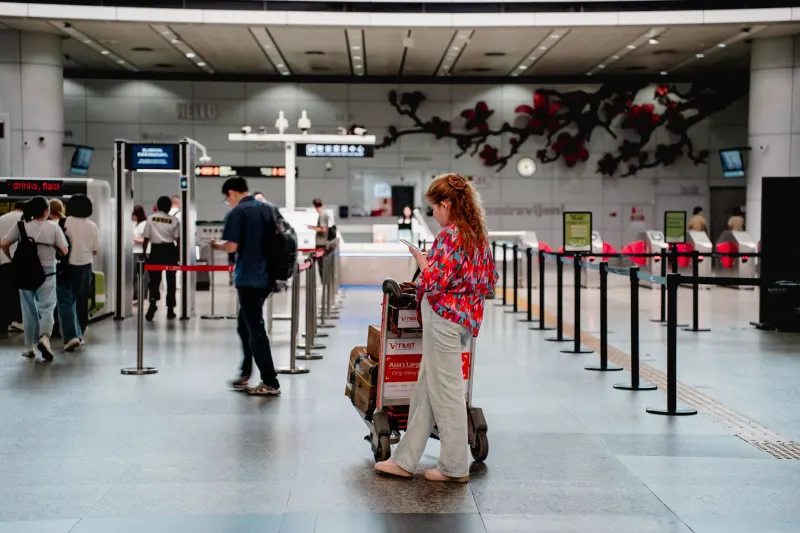
Navigating airport security involves familiar routines like removing laptops and tablets from bags to place them in separate scanner bins. However, travelers occasionally encounter a less common request: security agents asking them to power on their smartphones or other electronic devices. While this might surprise some passengers, the protocol is far from new, having been initially implemented back in 2014 for travelers arriving from overseas destinations. If a device does not have power, the owner might be subjected to additional screening procedures.
The primary motivation behind this security measure centers on passenger safety. Authorities enforce the rule to ensure that electronic devices are fully functional and have not been converted for illicit purposes. Specifically, mobile devices can potentially be exploited as remote detonators, signal jamming tools, or repositories for dangerous components. When a Transportation Security Administration agent requests that a phone be powered on, they simply want to verify that the hardware operates normally and has not been tampered with before allowing the traveler to proceed. Once the device turns on and confirms it is a working mobile phone, that is all the agent needs to see for the passenger to move forward.
Key takeaways
- The TSA policy requiring travelers to turn on electronic devices has been active since 2014.
- Phones are checked to confirm they are functioning and not utilized as detonators or jamming devices.
- Devices lacking power may subject the owner to additional screening procedures.
- US Customs and Border Protection operate under separate guidelines that permit thorough device searches.
Distinguishing TSA Guidelines From Customs Rules
While the TSA primarily focuses on immediate flight safety, US Customs and Border Protection (CBP) operates under distinct legal frameworks when screening international travelers. Under the border search exception, border agents possess the authority to conduct manual inspections of mobile devices. Judicial rulings, such as those from the Fourth Circuit, have classified these routine inspections as reasonable actions under the Fourth Amendment framework protecting against warrantless searches and seizures.
Without specific reasonable suspicion, CBP officers are generally limited to basic inspections involving text messages and application activity. They are also authorized to detain a phone for what is considered to be a brief, reasonable time to complete these inspections, per the CBP Directive. However, if agents establish reasonable suspicion, they can escalate to a thorough inspection involving downloading the device contents onto another device. Additional proposals, such as a late 2025 initiative to request five-year social media histories from travelers entering from certain regions before they are permitted into the US, continue to navigate regulatory discussions without being official law yet.
How to Prepare Your Devices for Travel
Ensuring that smartphones and electronics retain adequate battery life is crucial for a smooth airport experience. Travelers should be prepared to present functioning devices if requested, which simply means powering the phone on, illuminating the screen, and unlocking it to demonstrate normal operation. Although the vast majority of passengers will never encounter a device check during routine flights, keeping devices charged eliminates potential delays and ensures full compliance with established transit regulations.
Provided a phone is powered up, travelers should experience no issues going through security checkpoints. While international travel introduces murkier situations regarding Customs and Border Protection, the TSA simply wants to confirm that the hardware is a legitimate, functioning mobile phone rather than a dummy device configured for alternative purposes.




Comments