
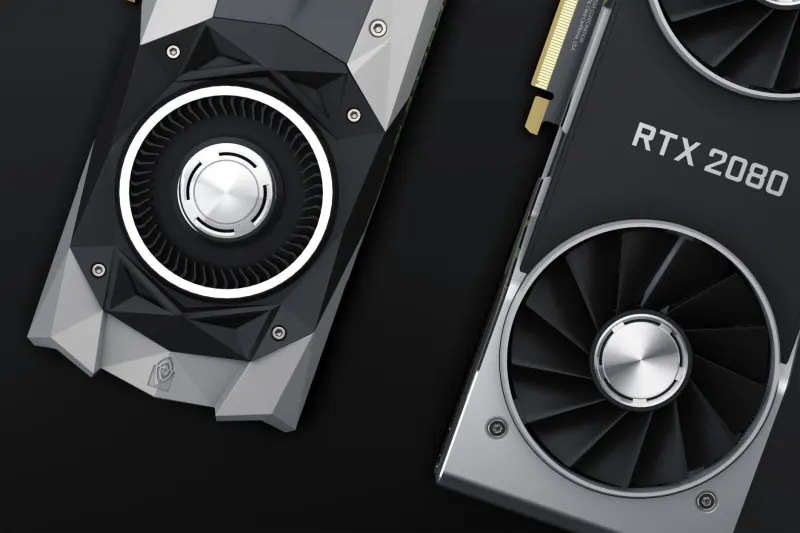
Microsoft has secured a patent for a distributed computing system designed to harness idle graphics processing units on everyday consumer PCs to help train artificial intelligence models. The patent, originally discovered by Patentlyze and highlighted by German tech publication PC Games Hardware and VideoCardz, outlines a concept titled Opportunistic Micro-training on Edge Devices Using Spare GPU Utilization. Under this proposed framework, Microsoft would tap into the unused computing capacity of powerful gaming rigs and other devices running Windows 11, distributing bite-sized AI workloads across a vast network of participating machines with user consent.
The underlying architecture of the patent relies on breaking down complex artificial intelligence training schedules into small, independently manageable micro-tasks. The system would continuously monitor connected end devices to detect available computing capacity, ensuring that tasks are assigned only to machines possessing a matching amount of spare GPU and system resources. Once individual edge devices finish processing their assigned subtasks, the results are tied back together. The system would also incorporate diagnostic checks designed to detect errors or manipulated data results submitted across the distributed network.
Key takeaways
- Microsoft holds a patent for opportunistic micro-training using spare consumer GPU resources.
- AI training tasks would be fragmented into smaller subtasks distributed across participating PCs.
- The system includes monitoring features to assess available computing capacity and check for errors.
- Participating users would receive some form of reward or payment for their contributed hardware resources.
Precedents and the hurdles of commercial AI training
While the technical blueprint exists on paper, implementing such a crowd-sourced approach to training enterprise AI presents severe logistical hurdles and consumer trust barriers. Similar distributed computing initiatives, such as Folding@home for medical research and the historic SETI@home project, have successfully relied on volunteer compute power for decades. However, commercializing this concept for corporate artificial intelligence development introduces intense scrutiny regarding privacy, hardware wear, and operational transparency.
Major questions remain surrounding how users would be compensated for contributing electricity, hardware longevity, and processing power. The patent indicates that participants would receive some form of reward or credits, but industry observers remain deeply skeptical that standard digital credits or loyalty points would offset rising electricity bills and accelerated hardware degradation. Furthermore, expanding Microsoft telemetry capabilities to deeply monitor GPU workloads and system loads on Windows 11 could provoke fierce pushback from users already wary of operating system telemetry and background resource allocation.
Consumer skepticism and community reaction
Community reaction across platforms like Reddit has highlighted deep seated trust issues regarding how Microsoft might deploy such technology. While a small minority of commenters noted that financial compensation covering electricity costs could make the scheme viable, most expressed strong skepticism. Concerns range from potential hardware burnout and increased power consumption to fears that background tasks could interfere with gaming performance or lead to system instability.
Technical anxieties also extend to the risk of software bugs within Windows 11 mistakenly attributing system stutter or hardware degradation to background AI training processes. Whether Microsoft intends to commercialize this patent or simply protect the intellectual property remains entirely unconfirmed, but the proposal underscores the aggressive lengths to which tech companies are looking to source compute power for resource-heavy generative AI systems.



Comments