
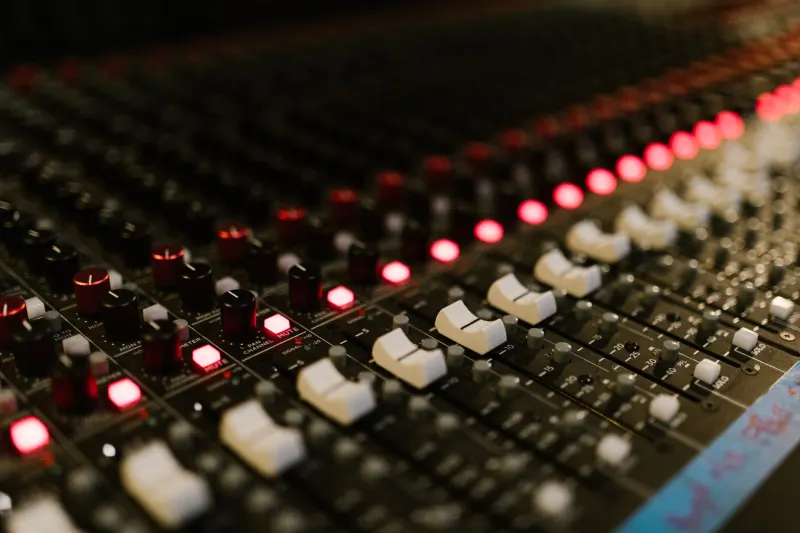
Ableton has officially announced Live 13, setting the stage for what is shaping up to be one of the most substantial updates to its digital audio workstation in years. Slated to arrive in early 2027, the upcoming release brings a comprehensive array of enhancements designed to revamp music production workflows for producers, sound designers, and electronic musicians alike. While individual changes might look modest when viewed in isolation, their combined impact promises to significantly streamline how creators build, mix, and manipulate audio tracks inside the desktop software.
Key takeaways
- Live 13 introduces a dedicated desktop step sequencer with adjustable velocity, timing, and chance per step.
- New ARA plugin support allows tools like Melodyne to operate directly inside the audio tracks without rendering.
- An experimental looping instrument called Looplet features four playheads and advanced granular audio processing.
- The software adds a brand-new drum synth featuring more than 20 models spanning classic and abstract percussion.
New Sequencing and Workflow Improvements
The most prominent addition to the desktop application is a fully realized step sequencer. Although Ableton’s Push hardware controller previously featured its own dedicated sequencer, the desktop version historically relied on the standard piano roll or workarounds. The new native grid system allows creators to alter velocity, timing, chance, length, and repeats for every individual step. Furthermore, separate tracks can operate with independent lengths, playback rates, and playback directions to build intricate, evolving rhythmic patterns with ease.
Professional producers and vocalists will also benefit greatly from the long-awaited integration of ARA plugin support. Compatible plugins now function directly on audio data within the software interface. Where tools such as pitch-correction and time-stretching software Melodyne previously demanded a tedious cycle of importing audio files out of Ableton and rendering them back, producers can now clean up messy vocal takes natively inside Live's UI without friction. This seamless integration drastically reduces friction during vocal production and editing stages.
Expanded Creative Tools and Mixing Options
Navigation and mixing have received significant overhauls to help artists manage large sessions efficiently. A redesigned mixer view displays all loaded devices on a track in a compact vertical arrangement, enabling users to drag and drop or copy and paste devices easily across sprawling multi-track sessions containing thirty channels or more. Complementing this interface update is Looplet, an experimental looping instrument equipped with four playheads, granular processing, filtering, pitch and speed control, and independent routing options tailored for ambient music and soundtrack work where dynamic audio manipulation is paramount.
Additional features arriving with the sprawling update include a new drum synth boasting over 20 distinct models spread across nine categories of classic drum machines and abstract percussion. The popular Capture feature now records automation data alongside MIDI notes, and contextual browsing lets producers swap instruments and presets directly in the device view without jumping back to the main browser. Furthermore, audio effect racks now support up to 32 macros with custom mapping curves, accompanied by multiband racks for processing frequencies through separate effect chains, a dedicated transient shaper for tightening drum sounds, and envelope clips on return tracks for advanced automation.


Comments