
The music technology landscape is experiencing a rapid shift as major equipment manufacturers begin opening their doors to the hacking and modding community. inMusic, the parent company behind prominent audio brands such as Akai, Moog, and Native Instruments, has officially decided to embrace vibe-coded modifications. In a recent interview, inMusic CEO Jack O'Donnell detailed the company's new strategy to supply developers and musicians with the inner workings and software development kits for devices including the newly teased MPC Sample Key. By offering these tools, the corporation aims to let users customize their gear while mitigating the risk of rendering expensive hardware completely unusable.
While management is eager to see what developers can create, reliability remains a core priority for live performance stability. O'Donnell emphasized that official software must remain entirely stable for artists performing on stage, noting that professional musicians cannot afford to encounter sudden bugs during a live set. To balance experimentation with safety, inMusic is designing systems that include a reliable reset button so tinkerers can test modifications without permanently losing their setups. Ahead of an official product release, Akai has already begun seeding hardware units to select developers to jumpstart the community-driven creative process.
Key takeaways
- inMusic is opening source code for hardware like the MPC Sample Key and providing a dedicated software development kit.
- CEO Jack O'Donnell stated the company will include a reset button so experimenters do not permanently brick their samplers.
- The upcoming Creator Lab event at NAMM will let musicians hack 22 new products across various inMusic brands.
- Competitors like Erica Synths, Polyend, and Behringer are also introducing open-source drum machines, grooveboxes, and controllers.
Expanding the Modding Ecosystem at NAMM
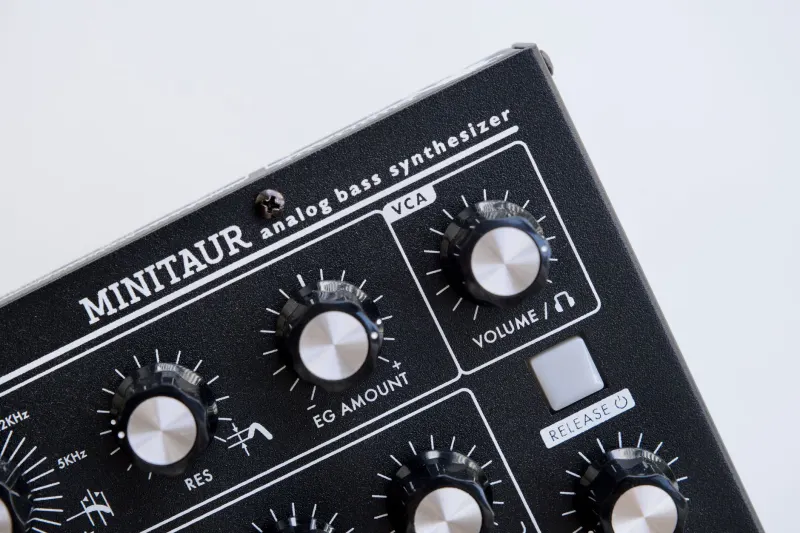
The company plans to showcase this new open approach at NAMM, the annual convention for music equipment manufacturers held in Anaheim. During an interactive showcase called Creator Lab, technically curious musicians will get hands-on time hacking twenty-two new products from across inMusic's diverse brand portfolio. This initiative will even extend to Moog products, which might initially seem incompatible with vibe coding due to their traditional analog circuit designs. O'Donnell believes that by carefully constructing a platform that allows developers to safely work around analog parts, even classic synthesizer architectures can become open to custom modifications.
This industry-wide movement is gaining rapid momentum among various hardware makers. Erica Synths recently published the source code for its LXR-02 drum machine, while Polyend open-sourced its entire line of Tracker grooveboxes. Meanwhile, Behringer has announced a slate of open-source gear, featuring a $150 hardware clone of the MPC One called Kick, an E-mu SP-1200 clone, an Anima DJ controller, an Ignite sequencer, and a Polykeys 61 MIDI controller. Reflecting on how fast this shift occurred, O'Donnell admitted that developing tools for hardware hacking was not on the company's official task list just five weeks prior.
Diverging Industry Opinions on Firmware Hacks
Not every manufacturer welcomes the rise of unauthorized hardware modifications with open arms. Elektron has voiced mixed feelings regarding vibe-coded firmware alterations, choosing to ban links to hacks and modified firmware on its official community forums. Although general discussions about mods are permitted, Elektron cited serious risks regarding potential hardware damage, broken update paths, and voided warranty coverage. The company explicitly warns that unverified firmware modifications can permanently brick sophisticated instruments.
Despite reservations from brands like Elektron, industry leaders generally agree that attempting to block the burgeoning modding community is ultimately a losing battle. Rather than trying to build protective walls around proprietary hardware, inMusic has chosen to lean into the trend. By providing structured tools, safe testing environments, and official developer resources, the company hopes to harness community creativity while keeping professional stage gear secure and reliable.





Comments