
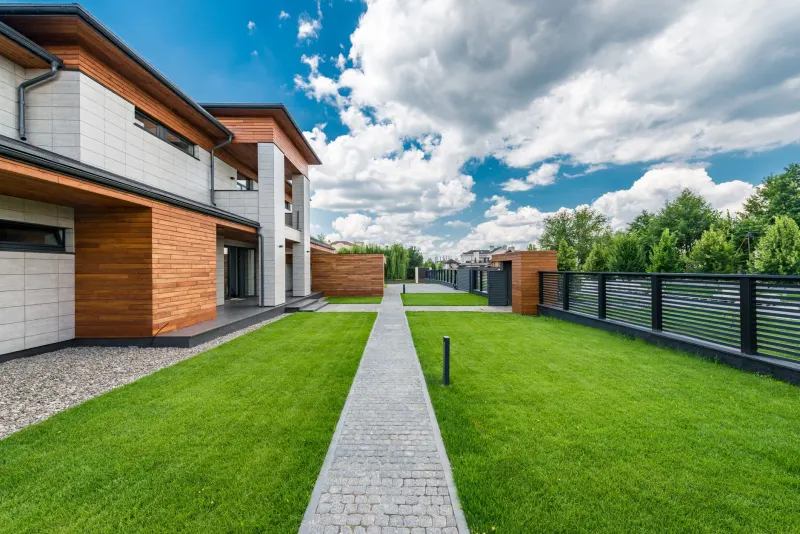
Following a wave of inaccurate and absurd AI-generated images appearing across various online platforms like JustEat and Etsy, it appears that virtually no industry remains immune to artificial intelligence slop. The property market is now heavily flooded with digitally altered images, transforming online house hunting into an exercise in skepticism. For anyone who has dealt with the stress of moving house, browsing listings is already a demanding task, but discovering that a dream home has been heavily modified using generative AI adds an entirely new layer of frustration.
Over the past year, many prospective buyers have taken to Reddit communities such as r/SpottedonRightMove to complain about estate agents posting property listings featuring AI-modified photos. These edits frequently include added fixings, virtual furniture, and structural changes that the actual physical properties simply do not possess. While AI image generation is improving rapidly, it remains imperfect, leaving behind telltale signs for observant buyers who know exactly where to look for digital inconsistencies.
Key takeaways
- Property listings across platforms like Rightmove are increasingly featuring AI-generated and digitally altered photos.
- Examples include shifting shrubbery, mysteriously expanding rear gardens, and physically impossible interior details.
- Disclaimers regarding digital staging are often buried deep within lengthy, 1,700-word property descriptions.
- While some argue AI shows a property's potential, critics point out it wastes time and money for visiting buyers.
Spotting the AI edits in real estate listings
Examining recent listings reveals just how far generative tools have permeated the housing market. In one Rightmove listing shared by a Reddit user, a thriving shrubbery plot sits in the driveway, yet viewing multiple angles of the front of the property shows plants mysteriously shifting or disappearing completely. Even more baffling, the rear garden is somehow visible from the front of the property, initially showing a shed, a patchy lawn, and a messy gravel path. Flicking through subsequent photos reveals a magically thriving lawn, a neat path, mended fences, and a significantly expanded garden area.
The modifications extend indoors into bizarre territory. Visitors walking through the front door might encounter a picture frame above a side cabinet that inexplicably changes paintings depending on the observer's standing position in the hallway. Bathrooms feature towels that supposedly change color based on mood, alongside towel rails that fluctuate between five and six rails. The absolute pinnacle of these alterations usually appears in the back garden, where decking features either three or four steps down to the lawn depending on the viewing angle.
The fine print and ethical implications
Estate agents do occasionally disclose digital alterations, but the disclaimers are rarely prominent. In this particular Rightmove case, buyers must scroll past a 1,700-word property description containing its own signs of AI involvement to find a small disclaimer note. The text explains that photographs have been digitally enhanced or virtually staged for illustrative purposes to demonstrate potential room appearances and uses, while assuring readers that no structural changes are intended.
Debates continue across online forums regarding the ethics of these practices. Some argue that allowing estate agents to use AI imagery helps visualize a fixer-upper's potential or provides decoration inspiration. Conversely, critics maintain that making a property look vastly superior to its true state borders on false advertising. Although property values ultimately depend on formal valuations rather than marketing photos, the human cost remains tangible when buyers travel long distances to view a physical property that bears little resemblance to its heavily doctored online listing.







Comments