
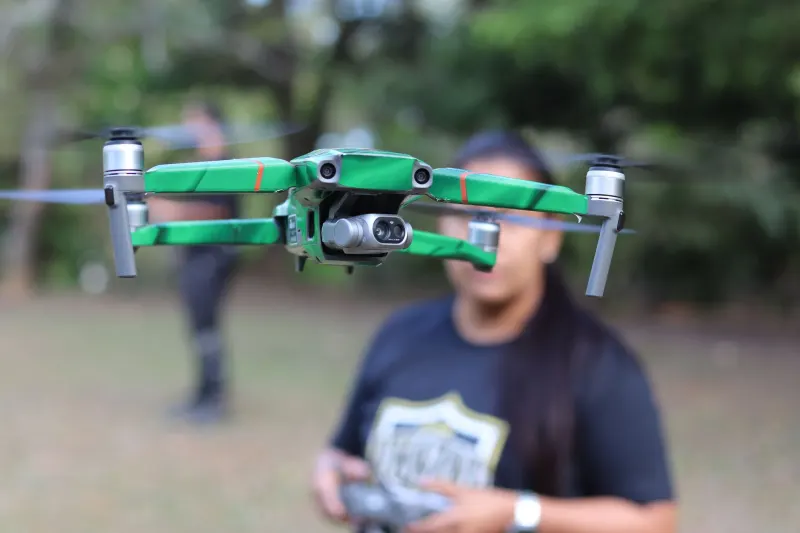
An older DJI drone that has been replaced by a newer model still has plenty of working life left ahead of it, provided it is not a completely wrecked heap of scrap. Rather than letting it sit forgotten in a junk drawer or risking a brand-new aircraft on difficult flights, pilots can put their retired gear to work for practice, specific aerial tasks, and creative projects. As long as the device still receives updates, users can swap out worn propellers, check the batteries, and use the hardware as a low-risk trainer for mastering tight turns, low approaches, or risky flights over water and through heavy tree canopies.
Using a geriatric drone is significantly less intimidating and expensive than crashing an expensive flagship model like a DJI Matrice 5T. Beyond flight practice, older DJI hardware serves as a valuable backup device in the field when a primary drone runs out of battery or encounters an obstacle. Depending on the specific model, add-on accessories like the Sky Rigger can transform the aircraft into a tool for dropping bait while fishing. Pilots can also use a sturdy older drone to map out yellow jacket, hornet, wasp, and bee nests to assist exterminators, though the aircraft may take a beating from agitated insects defending their territory.
Key takeaways
- Older DJI drones provide a low-risk way to practice maneuvers, teach beginners, or fly near water and trees.
- Models like the Mavic 2 Pro and Air 2S remain capable of shooting 4K video with D-Log and stable physical gimbals.
- Retired drones can be sold, traded, parted out for individual component sales, or repurposed into security cameras and portable chargers.
- Pilots can use older aircraft for property shots, roof inspections, drone mapping side gigs, or renting out for special events.
Cinematic capabilities and mapping
For aerial filmmakers, older or budget-tier DJI drones continue to hold their own. Models such as the Mavic 2 Pro and Air 2S capture impressive 4K video with D-Log and strong dynamic range. While newer releases feature advanced digital stabilization, older devices rely on physical gimbal motors that still deliver remarkably steady lines and stable footage. While major high-stakes events call for the highest-quality cameras available, older DJI gear is more than sufficient for property photography, roof inspections, checking on wildlife, or planning projects without putting expensive equipment in jeopardy.
Drone mapping represents another potential side gig for a retired aircraft, though operators need mapping software and, for commercial work in the United States, an FAA Part 107 remote pilot certificate. Owners can monetize their equipment by renting out the drone or offering piloting services for local events. Alternatively, those who prefer a hands-on technical challenge can salvage components for a custom build, though this approach requires specialized tools, patience, and a working knowledge of soldering, electronics, and aerodynamics.
Parting out and passing it on
Selling or trading an old drone is a straightforward path, but parting it out can be just as lucrative. There is a healthy market for specific replacement parts, allowing owners to sell individual components or keep them in the toolbox as spares. Parts can even be repurposed for entirely different electronic projects, such as portable chargers or security cameras. Handing the controller of an older drone to a child or a beginner eager to enter the hobby is another practical choice. Starting in an open field away from power lines and trees ensures that any accidental crashes happen to the disposable backup rather than the primary investment.


Comments