
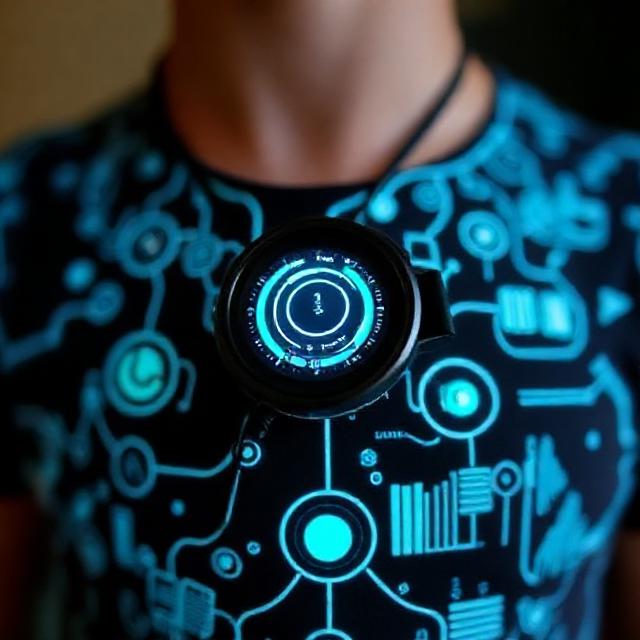
Wearable technology has evolved from simple pedometers into sophisticated health monitoring devices capable of tracking heart rhythms, blood oxygen levels, sleep patterns, and even early indicators of illness. This evolution reflects a broader cultural shift toward the "quantified self" movement, where individuals increasingly rely on continuous data collection to understand and optimize their own bodies.
Modern smartwatches and fitness trackers now incorporate sensors that would have required specialized medical equipment just a decade ago. Optical heart rate sensors, accelerometers, and increasingly sophisticated algorithms allow these devices to detect irregular heart rhythms, estimate blood oxygen saturation, and even flag potential signs of conditions like atrial fibrillation. Several wearable manufacturers have received regulatory clearance for features that function as legitimate medical monitoring tools rather than mere fitness gadgets.
This medical-grade capability has created genuinely valuable use cases. Some users have reported that their wearable device alerted them to irregular heart rhythms that led to early diagnosis of previously unknown conditions. Sleep tracking has helped people identify patterns connecting poor sleep to lifestyle factors they hadn't previously considered. For people managing chronic conditions like diabetes, continuous glucose monitors paired with smartphone apps have transformed daily management from periodic finger-prick testing into continuous, actionable data streams.
However, the proliferation of personal health data raises important questions about interpretation and anxiety. Not every fluctuation in heart rate or sleep quality indicates a medical problem, and constant monitoring can create a phenomenon researchers sometimes call "cyberchondria" — excessive worry driven by access to health data without the clinical context to interpret it properly. Healthcare providers increasingly encounter patients who arrive with pages of wearable-generated data, and learning how to appropriately weigh this information alongside traditional clinical assessment has become a new skill for medical practitioners.
Privacy concerns also loom large over the wearable technology industry. Health data collected by these devices is often valuable to advertisers, insurers, and other third parties, raising questions about who ultimately controls and profits from such intimate personal information. Regulations governing health data vary significantly across different countries, and many wearable devices fall into regulatory gray areas that don't neatly fit existing medical privacy frameworks designed for traditional healthcare providers.
Beyond health monitoring, wearable technology continues expanding into other domains. Smart rings offer similar tracking capabilities in a less conspicuous form factor. Augmented reality glasses are inching toward mainstream viability, offering hands-free access to notifications, navigation, and even real-time language translation. Workplace applications have emerged too, with some industries using wearable sensors to monitor worker fatigue and prevent accidents in physically demanding jobs like construction and logistics.
Looking forward, the wearable technology sector seems poised to become increasingly integrated into standard healthcare practice, rather than remaining a separate consumer fitness category. As algorithms improve and regulatory frameworks mature, wearables may play a growing role in preventive medicine, allowing potential health issues to be caught earlier through continuous, passive monitoring rather than relying solely on periodic doctor visits. The challenge for both manufacturers and healthcare systems will be building the infrastructure and expertise needed to translate this flood of personal data into genuinely useful, actionable insight, without overwhelming users with noise or false alarms along the way.





Comments