
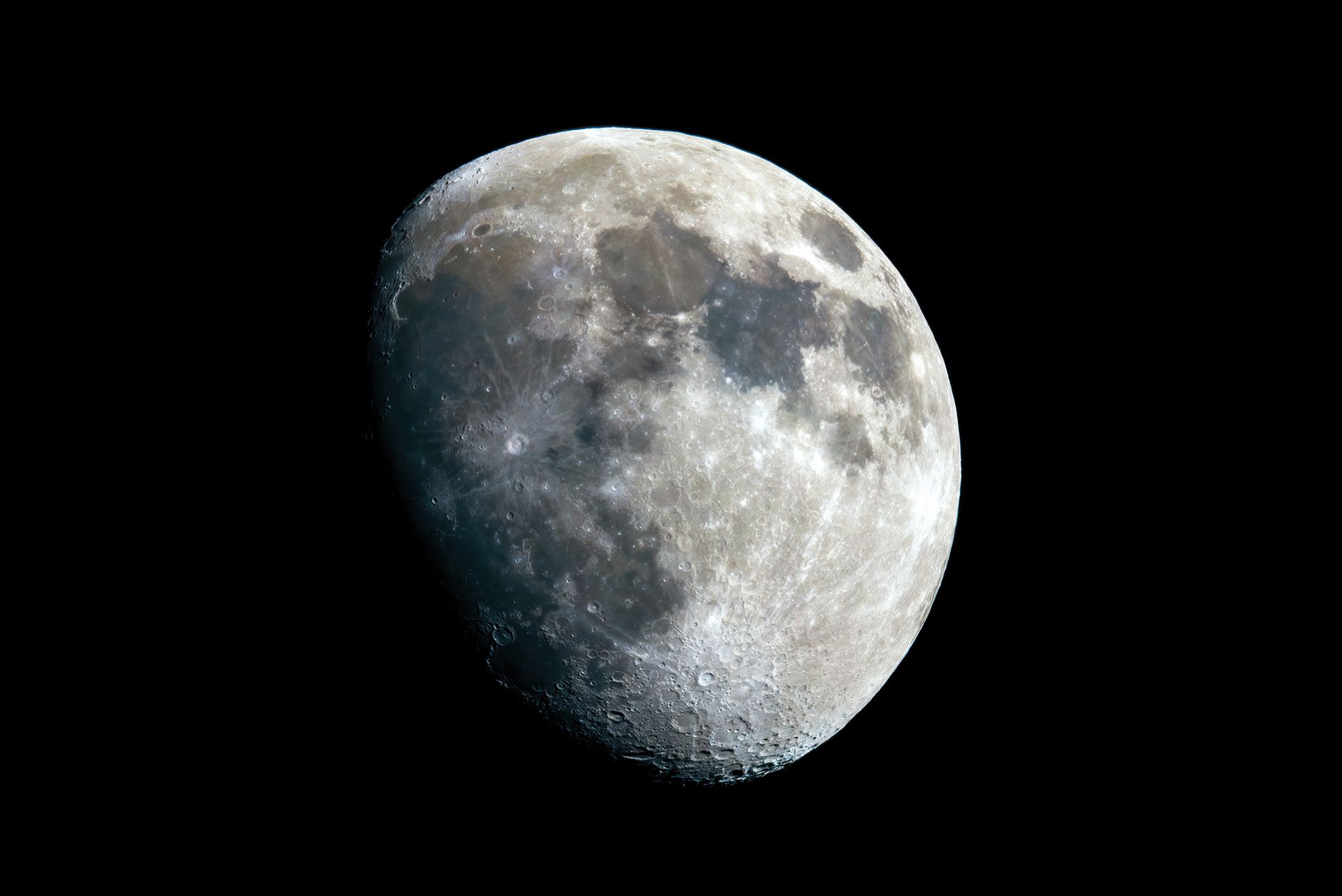
High-resolution images from NASA’s Lunar Reconnaissance Orbiter Camera have revealed more than 10,000 young faults scattered across the lunar landscape. Published in The Planetary Science Journal, the study details how features such as ridges and lobate scarps form from a celestial body cooling and contracting over time. Researchers concluded that the Moon's radius has shrunk by roughly 148 feet over the past 400 million years.
Unlike Earth, which features a complex mosaic of 15 tectonic plates where seismic activity is heavily concentrated, the Moon consists of a single, unbroken shell. This geological structure means that moonquakes and newly formed faults can theoretically emerge anywhere across the lunar surface. Seismic data collected by historical Apollo mission instruments previously linked shallow moonquakes to these active surface wrinkles.
These findings present unique challenges for future crewed exploration, including NASA's Artemis mission planning, as several proposed landing zones sit near potential moonquake epicenters and fault lines. However, researchers noted that regions featuring a thicker lunar crust display significantly fewer faults, offering potential pathways for identifying more stable areas for future lunar exploration.





Comments