
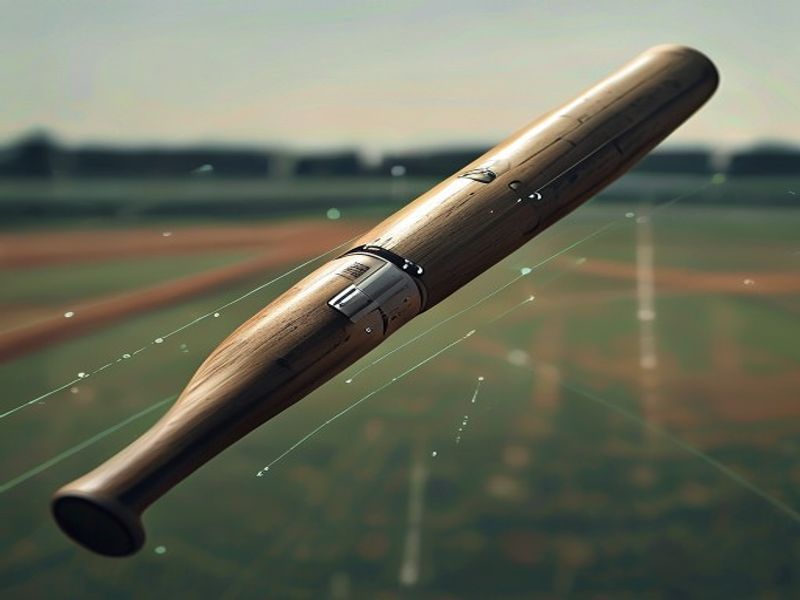
Major League Baseball is rapidly embracing sophisticated bat tracking technology, offering unprecedented granular data and visualization capabilities to dissect the mechanics of its elite athletes. One prime example is the detailed analysis now available for Atlanta Braves slugger Matt Olson, whose formidable swing is being meticulously mapped to reveal the subtle efficiencies behind his prodigious power. This technological leap moves beyond traditional video analysis, providing real-time, objective metrics that redefine how players, coaches, and analysts understand hitting performance.
The technology itself relies on miniature, high-frequency sensors typically affixed to the knob of the bat. These devices capture a multitude of data points throughout the swing path, including bat speed, attack angle, vertical bat angle, time to impact, and precise three-dimensional position. This torrent of information is then processed and rendered into highly accurate visual representations, allowing for a virtual reconstruction of the swing from start to finish. While bat tracking has seen gradual adoption in amateur training and niche sports analysis for years, its recent widespread integration into official MLB broadcasts and team analytics departments signals a maturation of the tech, bringing a new layer of scientific rigor to the sport.
For players like Olson, this detailed feedback translates directly into actionable insights. Coaches can pinpoint minute deviations in technique, identify areas for power optimization, or even detect early indicators of fatigue that might precede an injury. The visual overlays, often shown during broadcasts, democratize this complex data, making it comprehensible for fans while serving as a critical diagnostic tool for performance staff. Beyond individual player development, such comprehensive data collection enriches scouting efforts and informs strategic game planning, potentially influencing everything from draft picks to in-game adjustments against specific pitchers.
The implications extend far beyond individual swing diagnostics. As MLB continues to build out its data infrastructure, integrating bat tracking with existing systems like Statcast (which tracks ball flight and player movement), the potential for predictive modeling and personalized training regimens becomes immense. Imagine AI algorithms analyzing thousands of swings to identify optimal biomechanics for different body types, or real-time alerts guiding a player's practice session. This convergence of advanced sensor technology, data science, and machine learning is not just refining the game; it's fundamentally reshaping the future of athlete development and fan engagement in professional baseball.





Comments