
The retail landscape is undergoing a significant transformation, moving beyond traditional point-of-sale interactions to a more informed and immersive consumer experience. Modern technology now delivers rich, valuable product information directly into the hands of shoppers, fundamentally reshaping how buying decisions are made and elevating the entire retail journey.
For years, shoppers primarily relied on packaging labels, sales associates, or limited in-store signage for product details. The advent of e-commerce raised consumer expectations for transparency and comprehensive data, pressuring physical stores to adapt. Today's innovative retail solutions bridge this information gap, utilizing a blend of digital tools to provide immediate access to everything from nutritional facts and origin stories to customer reviews and usage guides. This shift empowers consumers with an unprecedented level of insight, mirroring the convenience and depth of online shopping within physical environments.
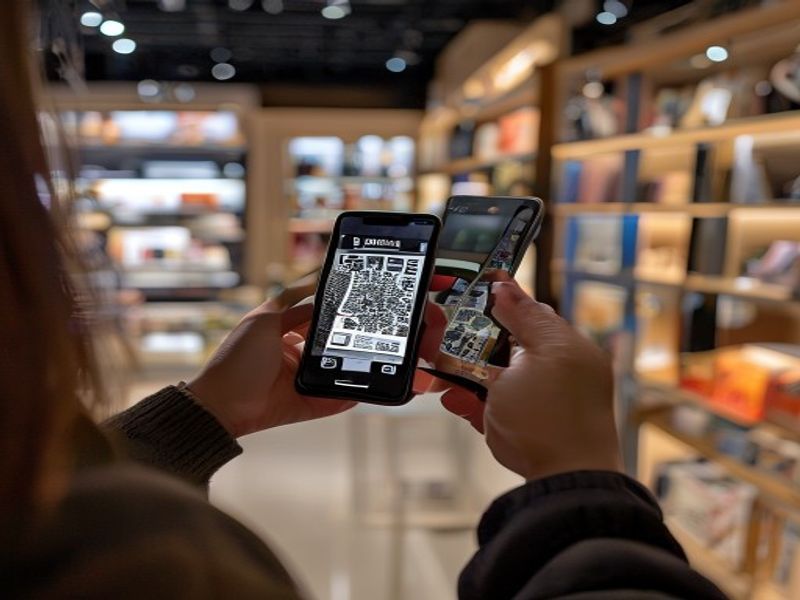
This evolution is powered by an array of sophisticated technologies. QR codes and NFC tags, once niche, are now ubiquitous, allowing quick scans to pull up detailed product pages, video demonstrations, or sustainability reports on a smartphone. Augmented reality applications let shoppers virtually “try on” clothes, visualize furniture in their homes, or explore product features in 3D. Beyond these interactive elements, underlying machine learning algorithms analyze purchasing patterns and browsing histories to deliver personalized recommendations and dynamic pricing, optimizing the relevance of information presented to individual consumers. Smart digital displays, integrated with inventory systems, show real-time stock levels and related product suggestions, making product discovery more efficient.
The implications extend beyond mere convenience. For consumers, the ability to quickly access comprehensive, trustworthy product information fosters greater confidence in purchases, potentially reducing buyer's remorse and returns. For retailers, providing this transparency builds trust and loyalty, turning transactions into richer engagements. The data collected from these interactions—what products are scanned, which features are explored, how long a display is engaged with—offers invaluable insights into consumer preferences and pain points, driving more effective inventory management, marketing strategies, and product development. This intelligent integration of data and user experience is becoming a critical differentiator in a highly competitive market.
Looking ahead, the convergence of AI, IoT, and immersive technologies promises an even more seamless and predictive retail environment. Expect hyper-personalized shopping assistants, predictive analytics anticipating consumer needs before they arise, and ever more sophisticated in-store digital experiences that blur the lines between physical and virtual. The trajectory is clear: retail technology will continue to prioritize an informed, connected, and ultimately more satisfying shopping experience for everyone.





Comments