
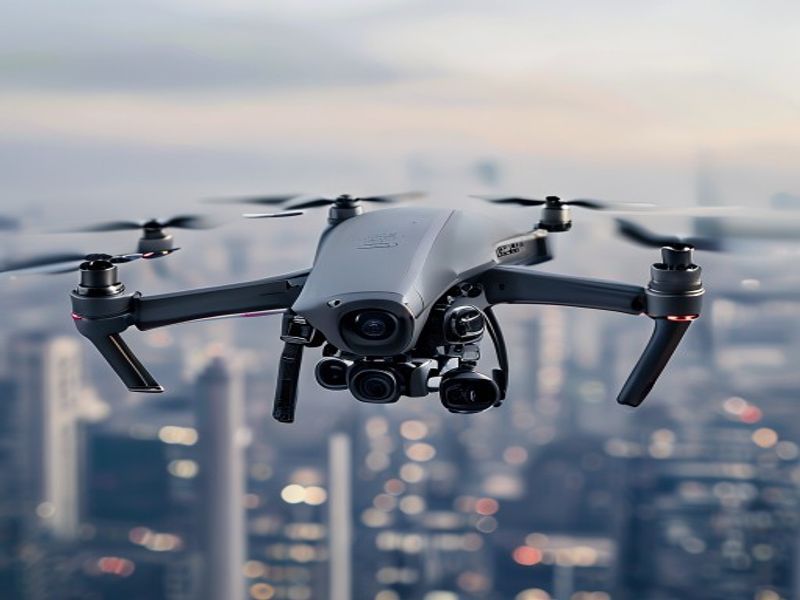
Nokia’s latest market intelligence report underscores three critical forces shaping the future of the global drone industry: the imperative for larger-scale operations, advanced system integration, and the expanding demand for dual-use applications. This analysis from the Finnish telecom leader offers a stark look at how unmanned aerial systems (UAS) are moving beyond niche roles into mainstream commercial and governmental functions, necessitating more robust and versatile technological frameworks.
The report details that the push for scale translates into a need for drones capable of longer flight times, greater payloads, and more autonomous missions, often coordinated across multiple units. This directly impacts logistics, infrastructure inspection, and security patrols, where efficiency gains from large-scale deployments become paramount. Concurrently, the emphasis on integration highlights the growing complexity of drone ecosystems, demanding seamless interoperability between drones, ground control stations, cloud platforms, and existing enterprise IT systems. This includes everything from data processing and analytics to secure communications and regulatory compliance, ensuring drones are not isolated tools but fully networked assets.
Perhaps most compelling is the insight into dual-use demand. Nokia’s findings suggest a significant uptick in interest for drones that can serve both commercial and public sector needs—think a drone used for agricultural mapping during the day, then repurposed for search and rescue operations or critical infrastructure monitoring by night. This versatility drives innovation in hardware and software, creating platforms adaptable to diverse operational environments, from smart cities to remote industrial sites and even defense applications. For technology providers, this implies developing more flexible and secure solutions that can meet varied regulatory and operational standards.
As the drone market matures, these trends signal a shift from experimental deployments to established, mission-critical operations. Companies and governments alike are seeking comprehensive solutions that offer reliability, security, and measurable return on investment across multiple use cases. Nokia’s position at the intersection of communication networks and IoT places it uniquely to observe these shifts, suggesting a future where highly integrated, scalable, and multi-functional drones become an indispensable part of the global technological infrastructure.





Comments