
An arrest has been made in a fourteen-year-old cold case in Arlington, Texas, a direct result of forensic DNA advancements that breathed new life into the long-dormant investigation. Authorities confirmed today that sophisticated genetic analysis provided the critical link needed to identify a suspect, marking a pivotal moment for a case that had stumped investigators for over a decade.
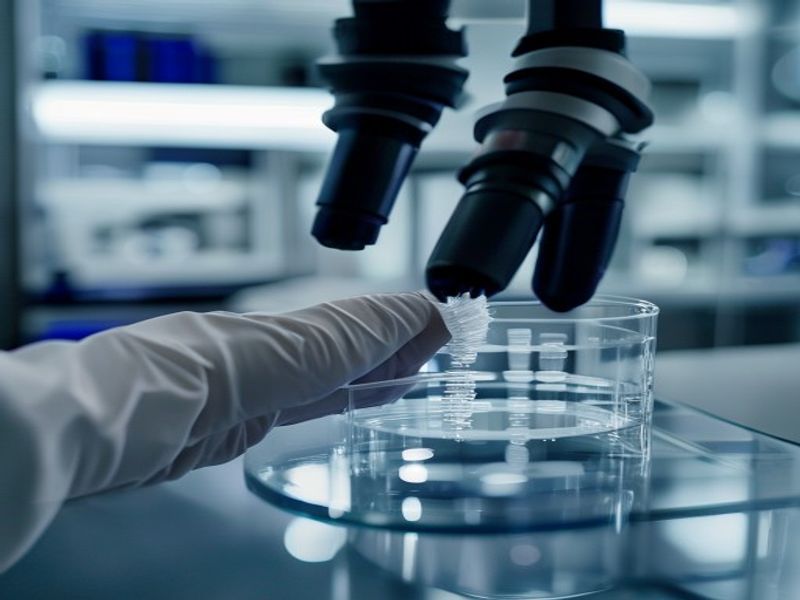
The breakthrough centers on the re-examination of evidence collected from the original crime scene, which previously yielded insufficient or unidentifiable genetic material. Modern DNA sequencing and profiling techniques, unavailable at the time of the initial investigation, allowed forensic scientists to extract and analyze degraded or minute samples with unprecedented precision. This included leveraging advanced bioinformatics tools to compare profiles against expanded databases, potentially even exploring familial matches to narrow down suspects.
This case underscores the transformative impact of evolving scientific methodologies on the justice system, particularly in cold cases where traditional leads have long since evaporated. The ability to revisit old evidence with new technological lenses offers a renewed sense of hope for victims' families and a powerful tool for law enforcement. It reflects a broader trend of forensic labs increasingly deploying cutting-edge genetic science, from mitochondrial DNA analysis to advanced phenotyping, to solve crimes once considered unsolvable.
As DNA databases expand and analytical techniques become even more refined, such breakthroughs are expected to become more frequent. The Arlington arrest serves as a potent reminder of how technological innovation continues to reshape criminal investigations, promising to bring closure to more cold cases and enhancing the capacity for justice in communities nationwide.





Comments