
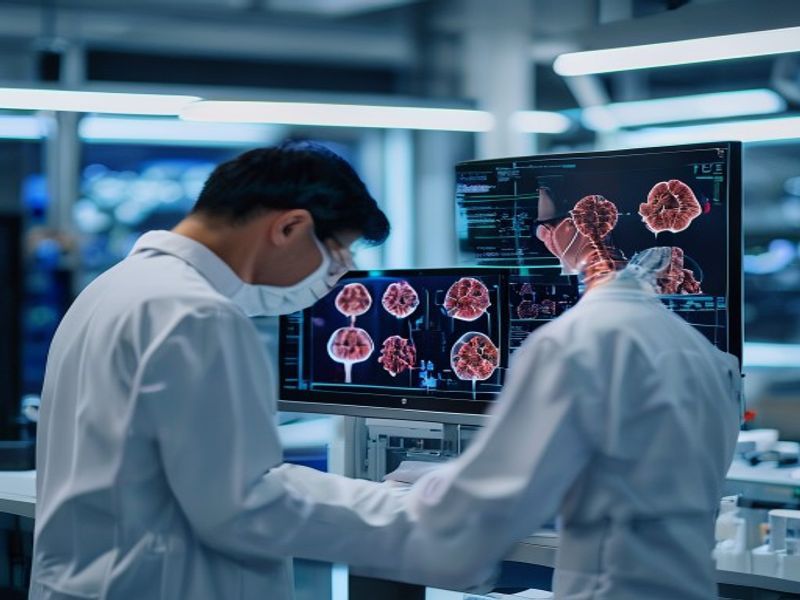
A groundbreaking artificial intelligence tool is poised to redefine the diagnosis and monitoring of Myelodysplastic Syndromes (MDS), a group of cancers where immature blood cells in the bone marrow fail to mature into healthy blood cells. The system achieves this by accurately mapping and interpreting microscopic changes within bone marrow samples, offering an objective layer of analysis that could significantly impact patient care.
Diagnosing MDS presents a persistent challenge for hematologists. The condition is often characterized by subtle and heterogeneous changes in bone marrow morphology, which can be difficult to distinguish from other benign conditions or even acute myeloid leukemia. Current diagnostic methods heavily rely on pathologist interpretation, a process that can be subjective, time-consuming, and may lead to variability in diagnosis. This new AI tool addresses these limitations head-on, providing a standardized, data-driven approach to identify critical markers that might otherwise be overlooked.
The core of this AI's capability lies in its advanced machine learning algorithms, trained on vast datasets of bone marrow biopsies. It can meticulously analyze cellular architecture, identify abnormal cell populations, and track subtle deviations in bone marrow composition with a level of detail and consistency unattainable by the human eye alone. By generating precise maps of these changes, the system provides clinicians with a clear, quantifiable understanding of disease progression or response to treatment, moving towards a more personalized medicine approach for MDS patients.
The implications for clinical practice are substantial. Earlier and more accurate diagnosis means patients can receive appropriate treatment sooner, potentially improving outcomes and quality of life. Furthermore, the AI's ability to monitor subtle shifts could enable more proactive adjustments to therapy, avoiding unnecessary treatments or escalating interventions when not needed. While further validation and clinical trials are essential, this technological leap signals a transformative moment for hematology, positioning AI as a powerful ally in the fight against complex blood cancers.





Comments